𝐃𝐚𝐲 𝟕- 𝐖𝐞𝐝𝐧𝐞𝐬𝐝𝐚𝐲 𝐉𝐮𝐥𝐲 𝟐𝟏, 𝟐𝟎𝟐𝟔
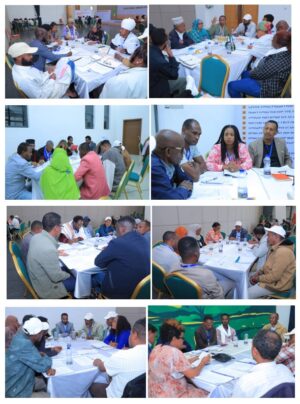
𝐓𝐨𝐝𝐚𝐲, 𝐈 𝐰𝐢𝐭𝐧𝐞𝐬𝐬𝐞𝐝 𝐭𝐡𝐞 𝐪𝐮𝐢𝐞𝐭 𝐩𝐨𝐰𝐞𝐫 𝐨𝐟 𝐝𝐞𝐥𝐢𝐛𝐞𝐫𝐚𝐭𝐞 𝐥𝐢𝐬𝐭𝐞𝐧𝐢𝐧𝐠 𝐢𝐧 𝐚𝐜𝐭𝐢𝐨𝐧 𝐚𝐭 𝐭𝐡𝐞 𝐄𝐭𝐡𝐢𝐨𝐩𝐢𝐚𝐧 𝐍𝐚𝐭𝐢𝐨𝐧𝐚𝐥 𝐃𝐢𝐚𝐥𝐨𝐠𝐮𝐞 𝐂𝐨𝐧𝐟𝐞𝐫𝐞𝐧𝐜𝐞.
As a member of both delegate agenda group and Expert’s Panel, I experienced and observed deliberative listening, an extraordinary process in which delegates engage in an intentional practice of setting aside prejudgments to fully focus on and understand each other by creating a welcoming space for honest communication and deeper connection. Delegates were able to transform discussions from simple exchanges of ideas and arguments into meaningful dialogues that foster mutual respect, collaboration, and informed and shared decision-making.
I learned in practice that meaningful collective decisions depend less on grand speeches and grandstanding and more on a disciplined, often quiet, craft of listening. At the Conference, groups did not merely exchange opinions; they synthesized individual insights into “we-findings” by comparing and synergizing different perspectives, often revealing unexpected connections.
I learned in practice those “we-dialogues” are the real currency of healthy public discourse, debate, discussion and conversation.
At the beginning of the Conference, delegates were urged by the Dialogue Commission to be more rational and less emotional in their discussions. Indeed, that was what was conspicuously visible at every table. No raised voices, no display of impatience, no expressions of indifference. Only shared analysis and conclusions reached by reasoned compromise.
Too often, in public debates and discussions, there is a tendency for conversations and discussions to be punctuated by interruptions, spectacle, posturing and even anger. Delegates at the Conference to the last person I observed across dozens of conference tables showed no signs of interruptions, hostility or disapproval. Indeed, delegates encouraged each other with respect and civility to engage, allowing deep thought to surface. They used respectful language even when they disagreed. Even when there were disagreements, the focus was squarely on the issues, not on personalities.
In situations where there are potentially many divisive issues that run deep, the deliberate act of listening can prove decisive in changing outcomes. When people feel that their perspectives were honestly considered and woven into a shared dialogue, genuine cooperation and collaboration becomes possible. The “we-dialogue” process avoids the destructive transactional politics of winners and losers and replaces it with not only shared ownership of the process but also shared success and victory.
So, what lessons did I learn today as a participant/delegate and subject matter expert?
The first lesson is that it is vital to create dialogue environments that genuinely promote dialogue over monologue.
Second, listening to others should be both a rule and a virtue in national dialogues. The less interruptions, the more reflections. The simple fact of using respectful language in a soft way to communicate one’s ideas by itself contributes significantly to build understanding and consensus and facilitate problem-solving to happen.
Third, if our politics in Ethiopia is is to move beyond disruptive political performance toward durable problem-solving, we need to create more spaces and habits like those exercised at the Dialogue Conference.
𝐈 𝐥𝐞𝐚𝐫𝐧𝐞𝐝 𝐭𝐡𝐚𝐭 𝐭𝐡𝐞 𝐰𝐨𝐫𝐤 𝐨𝐟 𝐝𝐞𝐦𝐨𝐜𝐫𝐚𝐜𝐲 𝐚𝐧𝐝 𝐝𝐢𝐚𝐥𝐨𝐠𝐮𝐞 𝐢𝐬 𝐚𝐬 𝐦𝐮𝐜𝐡 𝐚𝐛𝐨𝐮𝐭 𝐡𝐨𝐰 𝐰𝐞 𝐥𝐢𝐬𝐭𝐞𝐧 𝐭𝐨 𝐞𝐚𝐜𝐡 𝐨𝐭𝐡𝐞𝐫 𝐚𝐬 𝐰𝐡𝐚𝐭 𝐰𝐞 𝐝𝐞𝐜𝐢𝐝𝐞 𝐭𝐨𝐠𝐞𝐭𝐡𝐞𝐫. 𝐖𝐡𝐞𝐧 𝐥𝐢𝐬𝐭𝐞𝐧𝐢𝐧𝐠 𝐢𝐬 𝐭𝐫𝐞𝐚𝐭𝐞𝐝 𝐚𝐬 𝐚 𝐝𝐞𝐥𝐢𝐛𝐞𝐫𝐚𝐭𝐞 𝐚𝐜𝐭, 𝐢𝐭 𝐲𝐢𝐞𝐥𝐝𝐬 𝐧𝐨𝐭 𝐨𝐧𝐥𝐲 𝐛𝐞𝐭𝐭𝐞𝐫 𝐩𝐨𝐥𝐢𝐜𝐲 𝐫𝐞𝐜𝐨𝐦𝐦𝐞𝐧𝐝𝐚𝐭𝐢𝐨𝐧𝐬 𝐚𝐧𝐝 𝐚𝐜𝐭𝐢𝐨𝐧𝐬 𝐛𝐮𝐭 𝐚𝐥𝐬𝐨 𝐜𝐫𝐞𝐚𝐭𝐞 𝐚 𝐬𝐭𝐫𝐨𝐧𝐠𝐞𝐫 𝐜𝐢𝐯𝐢𝐜 𝐟𝐚𝐛𝐫𝐢𝐜 𝐚𝐧𝐝 𝐝𝐞𝐦𝐨𝐜𝐫𝐚𝐭𝐢𝐜 𝐩𝐨𝐥𝐢𝐭𝐢𝐜𝐚𝐥 𝐜𝐮𝐥𝐭𝐮𝐫𝐞. 𝐃𝐞𝐥𝐢𝐛𝐞𝐫𝐚𝐭𝐞 𝐥𝐢𝐬𝐭𝐞𝐧𝐢𝐧𝐠 𝐰𝐢𝐥𝐥 𝐛𝐞 𝐨𝐧𝐞 𝐨𝐟 𝐭𝐡𝐞 𝐥𝐨𝐧𝐠-𝐥𝐚𝐬𝐭𝐢𝐧𝐠 𝐥𝐞𝐠𝐚𝐜𝐢𝐞𝐬 𝐨𝐟 𝐭𝐡𝐞 𝐄𝐭𝐡𝐢𝐨𝐩𝐢𝐚𝐧 𝐃𝐢𝐚𝐥𝐨𝐠𝐮𝐞 𝐂𝐨𝐧𝐟𝐞𝐫𝐞𝐧𝐜𝐞 𝐟𝐨𝐫 𝐜𝐨𝐦𝐢𝐧𝐠 𝐠𝐞𝐧𝐞𝐫𝐚𝐭𝐢𝐨𝐧𝐬.
𝐋𝐄𝐓’𝐒 𝐒𝐔𝐏𝐏𝐎𝐑𝐓 𝐓𝐇𝐄 𝐄𝐓𝐇𝐈𝐎𝐏𝐈𝐀𝐍 𝐃𝐈𝐀𝐋𝐎𝐆𝐔𝐄 𝐂𝐎𝐍𝐅𝐄𝐑𝐄𝐍𝐂𝐄 𝐀𝐍𝐃 𝐌𝐀𝐊𝐄 𝐄𝐓𝐇𝐈𝐎𝐏𝐈𝐀 𝐆𝐑𝐄𝐀𝐓 𝐀𝐆𝐀𝐈𝐍!
Originally posted on X:
https://x.com/AlMariam1/status/2080013429738242374


𝐃𝐚𝐲 𝟕- 𝐖𝐞𝐝𝐧𝐞𝐬𝐝𝐚𝐲 𝐉𝐮𝐥𝐲 𝟐𝟏, 𝟐𝟎𝟐𝟔
𝐓𝐨𝐝𝐚𝐲, 𝐈 𝐰𝐢𝐭𝐧𝐞𝐬𝐬𝐞𝐝 𝐭𝐡𝐞 𝐪𝐮𝐢𝐞𝐭 𝐩𝐨𝐰𝐞𝐫 𝐨𝐟 𝐝𝐞𝐥𝐢𝐛𝐞𝐫𝐚𝐭𝐞 𝐥𝐢𝐬𝐭𝐞𝐧𝐢𝐧𝐠 𝐢𝐧 𝐚𝐜𝐭𝐢𝐨𝐧 𝐚𝐭 𝐭𝐡𝐞 𝐄𝐭𝐡𝐢𝐨𝐩𝐢𝐚𝐧 𝐍𝐚𝐭𝐢𝐨𝐧𝐚𝐥 𝐃𝐢𝐚𝐥𝐨𝐠𝐮𝐞 𝐂𝐨𝐧𝐟𝐞𝐫𝐞𝐧𝐜𝐞.
As a member of both delegate agenda group and Expert’s Panel, I experienced and observed deliberative listening, an extraordinary process in which delegates engage in an intentional practice of setting aside prejudgments to fully focus on and understand each other by creating a welcoming space for honest communication and deeper connection. Delegates were able to transform discussions from simple exchanges of ideas and arguments into meaningful dialogues that foster mutual respect, collaboration, and informed and shared decision-making.
I learned in practice that meaningful collective decisions depend less on grand speeches and grandstanding and more on a disciplined, often quiet, craft of listening. At the Conference, groups did not merely exchange opinions; they synthesized individual insights into “we-findings” by comparing and synergizing different perspectives, often revealing unexpected connections.
I learned in practice those “we-dialogues” are the real currency of healthy public discourse, debate, discussion and conversation.
At the beginning of the Conference, delegates were urged by the Dialogue Commission to be more rational and less emotional in their discussions. Indeed, that was what was conspicuously visible at every table. No raised voices, no display of impatience, no expressions of indifference. Only shared analysis and conclusions reached by reasoned compromise.
Too often, in public debates and discussions, there is a tendency for conversations and discussions to be punctuated by interruptions, spectacle, posturing and even anger. Delegates at the Conference to the last person I observed across dozens of conference tables showed no signs of interruptions, hostility or disapproval. Indeed, delegates encouraged each other with respect and civility to engage, allowing deep thought to surface. They used respectful language even when they disagreed. Even when there were disagreements, the focus was squarely on the issues, not on personalities.
In situations where there are potentially many divisive issues that run deep, the deliberate act of listening can prove decisive in changing outcomes. When people feel that their perspectives were honestly considered and woven into a shared dialogue, genuine cooperation and collaboration becomes possible. The “we-dialogue” process avoids the destructive transactional politics of winners and losers and replaces it with not only shared ownership of the process but also shared success and victory.
So, what lessons did I learn today as a participant/delegate and subject matter expert?
The first lesson is that it is vital to create dialogue environments that genuinely promote dialogue over monologue.
Second, listening to others should be both a rule and a virtue in national dialogues. The less interruptions, the more reflections. The simple fact of using respectful language in a soft way to communicate one’s ideas by itself contributes significantly to build understanding and consensus and facilitate problem-solving to happen.
Third, if our politics in Ethiopia is is to move beyond disruptive political performance toward durable problem-solving, we need to create more spaces and habits like those exercised at the Dialogue Conference.
𝐈 𝐥𝐞𝐚𝐫𝐧𝐞𝐝 𝐭𝐡𝐚𝐭 𝐭𝐡𝐞 𝐰𝐨𝐫𝐤 𝐨𝐟 𝐝𝐞𝐦𝐨𝐜𝐫𝐚𝐜𝐲 𝐚𝐧𝐝 𝐝𝐢𝐚𝐥𝐨𝐠𝐮𝐞 𝐢𝐬 𝐚𝐬 𝐦𝐮𝐜𝐡 𝐚𝐛𝐨𝐮𝐭 𝐡𝐨𝐰 𝐰𝐞 𝐥𝐢𝐬𝐭𝐞𝐧 𝐭𝐨 𝐞𝐚𝐜𝐡 𝐨𝐭𝐡𝐞𝐫 𝐚𝐬 𝐰𝐡𝐚𝐭 𝐰𝐞 𝐝𝐞𝐜𝐢𝐝𝐞 𝐭𝐨𝐠𝐞𝐭𝐡𝐞𝐫. 𝐖𝐡𝐞𝐧 𝐥𝐢𝐬𝐭𝐞𝐧𝐢𝐧𝐠 𝐢𝐬 𝐭𝐫𝐞𝐚𝐭𝐞𝐝 𝐚𝐬 𝐚 𝐝𝐞𝐥𝐢𝐛𝐞𝐫𝐚𝐭𝐞 𝐚𝐜𝐭, 𝐢𝐭 𝐲𝐢𝐞𝐥𝐝𝐬 𝐧𝐨𝐭 𝐨𝐧𝐥𝐲 𝐛𝐞𝐭𝐭𝐞𝐫 𝐩𝐨𝐥𝐢𝐜𝐲 𝐫𝐞𝐜𝐨𝐦𝐦𝐞𝐧𝐝𝐚𝐭𝐢𝐨𝐧𝐬 𝐚𝐧𝐝 𝐚𝐜𝐭𝐢𝐨𝐧𝐬 𝐛𝐮𝐭 𝐚𝐥𝐬𝐨 𝐜𝐫𝐞𝐚𝐭𝐞 𝐚 𝐬𝐭𝐫𝐨𝐧𝐠𝐞𝐫 𝐜𝐢𝐯𝐢𝐜 𝐟𝐚𝐛𝐫𝐢𝐜 𝐚𝐧𝐝 𝐝𝐞𝐦𝐨𝐜𝐫𝐚𝐭𝐢𝐜 𝐩𝐨𝐥𝐢𝐭𝐢𝐜𝐚𝐥 𝐜𝐮𝐥𝐭𝐮𝐫𝐞. 𝐃𝐞𝐥𝐢𝐛𝐞𝐫𝐚𝐭𝐞 𝐥𝐢𝐬𝐭𝐞𝐧𝐢𝐧𝐠 𝐰𝐢𝐥𝐥 𝐛𝐞 𝐨𝐧𝐞 𝐨𝐟 𝐭𝐡𝐞 𝐥𝐨𝐧𝐠-𝐥𝐚𝐬𝐭𝐢𝐧𝐠 𝐥𝐞𝐠𝐚𝐜𝐢𝐞𝐬 𝐨𝐟 𝐭𝐡𝐞 𝐄𝐭𝐡𝐢𝐨𝐩𝐢𝐚𝐧 𝐃𝐢𝐚𝐥𝐨𝐠𝐮𝐞 𝐂𝐨𝐧𝐟𝐞𝐫𝐞𝐧𝐜𝐞 𝐟𝐨𝐫 𝐜𝐨𝐦𝐢𝐧𝐠 𝐠𝐞𝐧𝐞𝐫𝐚𝐭𝐢𝐨𝐧𝐬.
𝐋𝐄𝐓’𝐒 𝐒𝐔𝐏𝐏𝐎𝐑𝐓 𝐓𝐇𝐄 𝐄𝐓𝐇𝐈𝐎𝐏𝐈𝐀𝐍 𝐃𝐈𝐀𝐋𝐎𝐆𝐔𝐄 𝐂𝐎𝐍𝐅𝐄𝐑𝐄𝐍𝐂𝐄 𝐀𝐍𝐃 𝐌𝐀𝐊𝐄 𝐄𝐓𝐇𝐈𝐎𝐏𝐈𝐀 𝐆𝐑𝐄𝐀𝐓 𝐀𝐆𝐀𝐈𝐍!
Originally posted on X:
https://x.com/AlMariam1/status/2080013429738242374
Share this: