𝐃𝐚𝐲 𝟔- 𝐓𝐮𝐞𝐬𝐝𝐚𝐲 𝐉𝐮𝐥𝐲 𝟐𝟏, 𝟐𝟎𝟐𝟔
The number 10 is a recurring symbol of divine order, cosmic perfection, and completeness across various mythological and religious traditions.
I believe the start of the Ethiopian National Dialogue Conference with groups of ten promises strong outcomes.
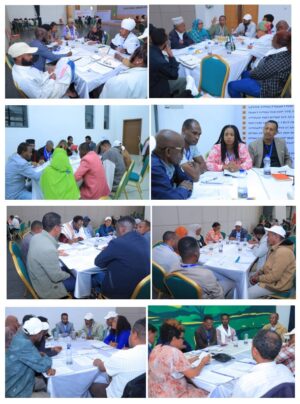
The Ethiopian National Dialogue Conference held its second 10-delegate dialogue sessions today.
I had an opportunity to observe and listen to a couple of dozen sessions and served as a panel expert and answered technical questions on selected issues for various sessions. (The Conference is supported by a panel of subject matters experts tasked to assist delegates in answering technical questions in a neutral, factual and knowledge- and evidence-based manner and share diverse perspectives to help advance discussions.)
Launching the Conference with groups of ten has kindled our shared purpose, deepened our commitment to deal with our fundamental issues and lead us to transformative results. Today’s national dialogue was vital step forward. It was engaged, thoughtful, and genuinely inclusive. Participants brought articulate, balanced views to an intense, animated discussion while staying focused on the agenda.
There was intent listening and everyone had time to be heard; no one raised voices and civil, respectful discussion prevailed. The dialectical process was alive as participants exchanged notes, translated for each other, and took plenty of notes, creating space for deep reflection and the sharing of wisdom.
I was especially struck by the practical expressions of inclusivity. Women talked assertively and contributed with clarity and authority, shaping key threads in the conversation rather than being sidelined.
Delegates with knowledge patiently explained complex points, supported by sign language interpreters so accessibility was visible and real. Facilitators were always ready to help, and the mix of seating — some around a table, others in arranged seats — reinforced an inclusive atmosphere. This wasn’t just talk; it was a model of how careful, open conversation can move a nation toward mutual understanding.
Today’s national dialogue offered an encouraging model of democratic conversation — engaged, earnest, and deeply respectful. From the opening moments, participants demonstrated intent listening and a genuine willingness to understand one another. That disposition turned what could have been a series of competing monologues into an authentic dialectical process: articulate participants presented balanced views, others questioned thoughtfully, and many people with knowledge took time to explain complex points so the group could collectively make sense of difficult issues.
The discussions were often intense and animated, yet they remained civil and composed. No one raised voices; instead, ideas were tested through patient exchange and deep reflection. Facilitators kept the conversation focused on agenda issues while always remaining ready to help participants navigate tricky moments. That steady guidance allowed everyone to have time to be heard, and it encouraged freewheeling discussions where new perspectives could surface without dominating or derailing the group.
What made today feel meaningful was how the process honored both intellect and humility. Articulate speakers offered reasoned arguments, and those with lived experience shared grounded perspectives; both were treated as valuable. Balanced views prevailed over partisanship, and respectful discussion allowed for genuine learning. The tone was not only polite; it was constructive — people were sharing wisdom and seeking practical common ground.
𝐈𝐟 𝐭𝐡𝐢𝐬 𝐦𝐞𝐞𝐭𝐢𝐧𝐠 𝐢𝐬 𝐚𝐧𝐲 𝐢𝐧𝐝𝐢𝐜𝐚𝐭𝐢𝐨𝐧, 𝐭𝐡𝐞 𝐝𝐢𝐚𝐥𝐨𝐠𝐮𝐞 𝐢𝐬 𝐦𝐨𝐯𝐢𝐧𝐠 𝐛𝐞𝐲𝐨𝐧𝐝 𝐩𝐞𝐫𝐟𝐨𝐫𝐦𝐚𝐭𝐢𝐯𝐞 𝐫𝐨𝐮𝐧𝐝𝐬 𝐨𝐟 𝐜𝐨𝐦𝐦𝐞𝐧𝐭 𝐭𝐨𝐰𝐚𝐫𝐝 𝐚 𝐬𝐩𝐚𝐜𝐞 𝐰𝐡𝐞𝐫𝐞 𝐩𝐨𝐥𝐢𝐜𝐲-𝐫𝐞𝐥𝐞𝐯𝐚𝐧𝐭 𝐢𝐝𝐞𝐚𝐬 𝐜𝐚𝐧 𝐟𝐨𝐫𝐦 𝐚𝐧𝐝 𝐛𝐞 𝐭𝐞𝐬𝐭𝐞𝐝. 𝐓𝐡𝐞 𝐜𝐨𝐦𝐛𝐢𝐧𝐚𝐭𝐢𝐨𝐧 𝐨𝐟 𝐟𝐨𝐜𝐮𝐬𝐞𝐝 𝐚𝐠𝐞𝐧𝐝𝐚 𝐰𝐨𝐫𝐤, 𝐨𝐩𝐞𝐧 𝐭𝐫𝐚𝐧𝐬𝐥𝐚𝐭𝐢𝐨𝐧 𝐚𝐧𝐝 𝐢𝐧𝐭𝐞𝐫𝐩𝐫𝐞𝐭𝐚𝐭𝐢𝐨𝐧, 𝐚𝐜𝐭𝐢𝐯𝐞 𝐟𝐚𝐜𝐢𝐥𝐢𝐭𝐚𝐭𝐢𝐨𝐧, 𝐚𝐧𝐝 𝐚 𝐜𝐮𝐥𝐭𝐮𝐫𝐞 𝐨𝐟 𝐦𝐮𝐭𝐮𝐚𝐥 𝐫𝐞𝐬𝐩𝐞𝐜𝐭 𝐩𝐫𝐨𝐝𝐮𝐜𝐞𝐝 𝐚 𝐬𝐞𝐭𝐭𝐢𝐧𝐠 𝐰𝐡𝐞𝐫𝐞 𝐝𝐞𝐞𝐩 𝐫𝐞𝐟𝐥𝐞𝐜𝐭𝐢𝐨𝐧 𝐜𝐨𝐮𝐥𝐝 𝐭𝐫𝐚𝐧𝐬𝐥𝐚𝐭𝐞 𝐢𝐧𝐭𝐨 𝐜𝐨𝐧𝐜𝐫𝐞𝐭𝐞 𝐫𝐞𝐜𝐨𝐦𝐦𝐞𝐧𝐝𝐚𝐭𝐢𝐨𝐧𝐬. 𝐓𝐡𝐚𝐭 𝐢𝐬 𝐭𝐡𝐞 𝐤𝐢𝐧𝐝 𝐨𝐟 𝐩𝐫𝐨𝐜𝐞𝐬𝐬 𝐭𝐡𝐚𝐭 𝐛𝐮𝐢𝐥𝐝𝐬 𝐭𝐫𝐮𝐬𝐭 𝐨𝐯𝐞𝐫 𝐭𝐢𝐦𝐞: 𝐧𝐨𝐭 𝐟𝐚𝐬𝐭 𝐟𝐢𝐱𝐞𝐬, 𝐛𝐮𝐭 𝐜𝐮𝐦𝐮𝐥𝐚𝐭𝐢𝐯𝐞 𝐠𝐚𝐢𝐧𝐬 𝐛𝐨𝐫𝐧 𝐨𝐟 𝐫𝐞𝐩𝐞𝐚𝐭𝐞𝐝 𝐫𝐞𝐬𝐩𝐞𝐜𝐭𝐟𝐮𝐥 𝐞𝐧𝐜𝐨𝐮𝐧𝐭𝐞𝐫.
There’s still more work ahead — follow-through, clear documentation of outcomes, formulation of recommendations to bring these conversations into decision-making. But today’s proceedings deserve recognition. They remind us that when people commit to listening, explaining, translating, and taking notes — when women speak assertively and experts explain patiently, when facilitators guide without dominating — a national dialogue can be more than rhetoric. It can be a genuine engine for shared understanding and progress.
𝐈 𝐚𝐦 𝐬𝐨 𝐩𝐫𝐨𝐮𝐝 𝐨𝐟 𝐨𝐮𝐫 𝐜𝐨𝐧𝐟𝐞𝐫𝐞𝐧𝐜𝐞 𝐝𝐞𝐥𝐞𝐠𝐚𝐭𝐞𝐬 𝐚𝐧𝐝 𝐩𝐚𝐫𝐭𝐢𝐜𝐢𝐩𝐚𝐧𝐭𝐬. 𝐓𝐡𝐞𝐢𝐫 𝐢𝐧𝐬𝐢𝐠𝐡𝐭𝐬, 𝐜𝐢𝐯𝐢𝐥𝐢𝐭𝐲 𝐚𝐧𝐝 𝐫𝐞𝐬𝐨𝐥𝐯𝐞 𝐢𝐧𝐬𝐩𝐢𝐫𝐞 𝐠𝐫𝐞𝐚𝐭 𝐜𝐨𝐧𝐟𝐢𝐝𝐞𝐧𝐜𝐞 𝐭𝐡𝐚𝐭 𝐫𝐞𝐚𝐥 𝐩𝐫𝐨𝐠𝐫𝐞𝐬𝐬 𝐢𝐬 𝐮𝐧𝐝𝐞𝐫𝐰𝐚𝐲.
𝐋𝐄𝐓’𝐒 𝐒𝐔𝐏𝐏𝐎𝐑𝐓 𝐓𝐇𝐄 𝐄𝐓𝐇𝐈𝐎𝐏𝐈𝐀𝐍 𝐃𝐈𝐀𝐋𝐎𝐆𝐔𝐄 𝐂𝐎𝐏𝐍𝐅𝐄𝐑𝐄𝐍𝐂𝐄 𝐀𝐍𝐃 𝐌𝐀𝐊𝐄 𝐄𝐓𝐇𝐈𝐎𝐏𝐈𝐀 𝐆𝐑𝐄𝐀𝐓 𝐀𝐆𝐀𝐈𝐍!
Originally posted on X:
https://x.com/AlMariam1/status/2079605669670351263


𝐃𝐚𝐲 𝟔- 𝐓𝐮𝐞𝐬𝐝𝐚𝐲 𝐉𝐮𝐥𝐲 𝟐𝟏, 𝟐𝟎𝟐𝟔
The number 10 is a recurring symbol of divine order, cosmic perfection, and completeness across various mythological and religious traditions.
I believe the start of the Ethiopian National Dialogue Conference with groups of ten promises strong outcomes.
The Ethiopian National Dialogue Conference held its second 10-delegate dialogue sessions today.
I had an opportunity to observe and listen to a couple of dozen sessions and served as a panel expert and answered technical questions on selected issues for various sessions. (The Conference is supported by a panel of subject matters experts tasked to assist delegates in answering technical questions in a neutral, factual and knowledge- and evidence-based manner and share diverse perspectives to help advance discussions.)
Launching the Conference with groups of ten has kindled our shared purpose, deepened our commitment to deal with our fundamental issues and lead us to transformative results. Today’s national dialogue was vital step forward. It was engaged, thoughtful, and genuinely inclusive. Participants brought articulate, balanced views to an intense, animated discussion while staying focused on the agenda.
There was intent listening and everyone had time to be heard; no one raised voices and civil, respectful discussion prevailed. The dialectical process was alive as participants exchanged notes, translated for each other, and took plenty of notes, creating space for deep reflection and the sharing of wisdom.
I was especially struck by the practical expressions of inclusivity. Women talked assertively and contributed with clarity and authority, shaping key threads in the conversation rather than being sidelined.
Delegates with knowledge patiently explained complex points, supported by sign language interpreters so accessibility was visible and real. Facilitators were always ready to help, and the mix of seating — some around a table, others in arranged seats — reinforced an inclusive atmosphere. This wasn’t just talk; it was a model of how careful, open conversation can move a nation toward mutual understanding.
Today’s national dialogue offered an encouraging model of democratic conversation — engaged, earnest, and deeply respectful. From the opening moments, participants demonstrated intent listening and a genuine willingness to understand one another. That disposition turned what could have been a series of competing monologues into an authentic dialectical process: articulate participants presented balanced views, others questioned thoughtfully, and many people with knowledge took time to explain complex points so the group could collectively make sense of difficult issues.
The discussions were often intense and animated, yet they remained civil and composed. No one raised voices; instead, ideas were tested through patient exchange and deep reflection. Facilitators kept the conversation focused on agenda issues while always remaining ready to help participants navigate tricky moments. That steady guidance allowed everyone to have time to be heard, and it encouraged freewheeling discussions where new perspectives could surface without dominating or derailing the group.
What made today feel meaningful was how the process honored both intellect and humility. Articulate speakers offered reasoned arguments, and those with lived experience shared grounded perspectives; both were treated as valuable. Balanced views prevailed over partisanship, and respectful discussion allowed for genuine learning. The tone was not only polite; it was constructive — people were sharing wisdom and seeking practical common ground.
𝐈𝐟 𝐭𝐡𝐢𝐬 𝐦𝐞𝐞𝐭𝐢𝐧𝐠 𝐢𝐬 𝐚𝐧𝐲 𝐢𝐧𝐝𝐢𝐜𝐚𝐭𝐢𝐨𝐧, 𝐭𝐡𝐞 𝐝𝐢𝐚𝐥𝐨𝐠𝐮𝐞 𝐢𝐬 𝐦𝐨𝐯𝐢𝐧𝐠 𝐛𝐞𝐲𝐨𝐧𝐝 𝐩𝐞𝐫𝐟𝐨𝐫𝐦𝐚𝐭𝐢𝐯𝐞 𝐫𝐨𝐮𝐧𝐝𝐬 𝐨𝐟 𝐜𝐨𝐦𝐦𝐞𝐧𝐭 𝐭𝐨𝐰𝐚𝐫𝐝 𝐚 𝐬𝐩𝐚𝐜𝐞 𝐰𝐡𝐞𝐫𝐞 𝐩𝐨𝐥𝐢𝐜𝐲-𝐫𝐞𝐥𝐞𝐯𝐚𝐧𝐭 𝐢𝐝𝐞𝐚𝐬 𝐜𝐚𝐧 𝐟𝐨𝐫𝐦 𝐚𝐧𝐝 𝐛𝐞 𝐭𝐞𝐬𝐭𝐞𝐝. 𝐓𝐡𝐞 𝐜𝐨𝐦𝐛𝐢𝐧𝐚𝐭𝐢𝐨𝐧 𝐨𝐟 𝐟𝐨𝐜𝐮𝐬𝐞𝐝 𝐚𝐠𝐞𝐧𝐝𝐚 𝐰𝐨𝐫𝐤, 𝐨𝐩𝐞𝐧 𝐭𝐫𝐚𝐧𝐬𝐥𝐚𝐭𝐢𝐨𝐧 𝐚𝐧𝐝 𝐢𝐧𝐭𝐞𝐫𝐩𝐫𝐞𝐭𝐚𝐭𝐢𝐨𝐧, 𝐚𝐜𝐭𝐢𝐯𝐞 𝐟𝐚𝐜𝐢𝐥𝐢𝐭𝐚𝐭𝐢𝐨𝐧, 𝐚𝐧𝐝 𝐚 𝐜𝐮𝐥𝐭𝐮𝐫𝐞 𝐨𝐟 𝐦𝐮𝐭𝐮𝐚𝐥 𝐫𝐞𝐬𝐩𝐞𝐜𝐭 𝐩𝐫𝐨𝐝𝐮𝐜𝐞𝐝 𝐚 𝐬𝐞𝐭𝐭𝐢𝐧𝐠 𝐰𝐡𝐞𝐫𝐞 𝐝𝐞𝐞𝐩 𝐫𝐞𝐟𝐥𝐞𝐜𝐭𝐢𝐨𝐧 𝐜𝐨𝐮𝐥𝐝 𝐭𝐫𝐚𝐧𝐬𝐥𝐚𝐭𝐞 𝐢𝐧𝐭𝐨 𝐜𝐨𝐧𝐜𝐫𝐞𝐭𝐞 𝐫𝐞𝐜𝐨𝐦𝐦𝐞𝐧𝐝𝐚𝐭𝐢𝐨𝐧𝐬. 𝐓𝐡𝐚𝐭 𝐢𝐬 𝐭𝐡𝐞 𝐤𝐢𝐧𝐝 𝐨𝐟 𝐩𝐫𝐨𝐜𝐞𝐬𝐬 𝐭𝐡𝐚𝐭 𝐛𝐮𝐢𝐥𝐝𝐬 𝐭𝐫𝐮𝐬𝐭 𝐨𝐯𝐞𝐫 𝐭𝐢𝐦𝐞: 𝐧𝐨𝐭 𝐟𝐚𝐬𝐭 𝐟𝐢𝐱𝐞𝐬, 𝐛𝐮𝐭 𝐜𝐮𝐦𝐮𝐥𝐚𝐭𝐢𝐯𝐞 𝐠𝐚𝐢𝐧𝐬 𝐛𝐨𝐫𝐧 𝐨𝐟 𝐫𝐞𝐩𝐞𝐚𝐭𝐞𝐝 𝐫𝐞𝐬𝐩𝐞𝐜𝐭𝐟𝐮𝐥 𝐞𝐧𝐜𝐨𝐮𝐧𝐭𝐞𝐫.
There’s still more work ahead — follow-through, clear documentation of outcomes, formulation of recommendations to bring these conversations into decision-making. But today’s proceedings deserve recognition. They remind us that when people commit to listening, explaining, translating, and taking notes — when women speak assertively and experts explain patiently, when facilitators guide without dominating — a national dialogue can be more than rhetoric. It can be a genuine engine for shared understanding and progress.
𝐈 𝐚𝐦 𝐬𝐨 𝐩𝐫𝐨𝐮𝐝 𝐨𝐟 𝐨𝐮𝐫 𝐜𝐨𝐧𝐟𝐞𝐫𝐞𝐧𝐜𝐞 𝐝𝐞𝐥𝐞𝐠𝐚𝐭𝐞𝐬 𝐚𝐧𝐝 𝐩𝐚𝐫𝐭𝐢𝐜𝐢𝐩𝐚𝐧𝐭𝐬. 𝐓𝐡𝐞𝐢𝐫 𝐢𝐧𝐬𝐢𝐠𝐡𝐭𝐬, 𝐜𝐢𝐯𝐢𝐥𝐢𝐭𝐲 𝐚𝐧𝐝 𝐫𝐞𝐬𝐨𝐥𝐯𝐞 𝐢𝐧𝐬𝐩𝐢𝐫𝐞 𝐠𝐫𝐞𝐚𝐭 𝐜𝐨𝐧𝐟𝐢𝐝𝐞𝐧𝐜𝐞 𝐭𝐡𝐚𝐭 𝐫𝐞𝐚𝐥 𝐩𝐫𝐨𝐠𝐫𝐞𝐬𝐬 𝐢𝐬 𝐮𝐧𝐝𝐞𝐫𝐰𝐚𝐲.
𝐋𝐄𝐓’𝐒 𝐒𝐔𝐏𝐏𝐎𝐑𝐓 𝐓𝐇𝐄 𝐄𝐓𝐇𝐈𝐎𝐏𝐈𝐀𝐍 𝐃𝐈𝐀𝐋𝐎𝐆𝐔𝐄 𝐂𝐎𝐏𝐍𝐅𝐄𝐑𝐄𝐍𝐂𝐄 𝐀𝐍𝐃 𝐌𝐀𝐊𝐄 𝐄𝐓𝐇𝐈𝐎𝐏𝐈𝐀 𝐆𝐑𝐄𝐀𝐓 𝐀𝐆𝐀𝐈𝐍!
Originally posted on X:
https://x.com/AlMariam1/status/2079605669670351263
Share this: