For over three decades, I taught most of my college courses using the Socratic method. That is teaching by interrogation, as it were. I would ask my students a series of probing, open-ended questions on a topic or subject to stimulate critical thinking and expose strengths, weaknesses, inconsistencies and contradictions in analysis, arguments and beliefs. Socrates is credited with the epigram, “The unexamined life is not worth living.”
For more than two decades, I pursued a personal crusade speaking truth to those abusing power in Ethiopia framing my fight for democracy and human rights primarily as a moral, legal, and civic struggle against authoritarian rule, using my platform at http://almariam.com, among others, to educate, mobilize, and document abuses. I vociferously demanded unconditional release of all political prisoners, restoration of democratic rights and full press freedom, judicial independence and fair laws, accountability for human rights abusers, including those responsible for the 193 deaths and 763 injuries cited from the 2005 crackdown, electoral reform to ensure fraud‑free elections and competitive party politics, limits on the use of foreign security assistance against civilians, among other things.
In my commentaries, public statements, press interviews, op-eds and official submissions, I always promoted the idea of resolving Ethiopia’s political and social problems through a deliberative democratic dialogue process: a system where legitimate decisions arise from inclusive, reasoned dialogue among citizens at the grassroots level rather than from coercion, elite pacts, or sheer majority rule.
For the past two decades, I have argued that democracy in Ethiopia is not merely about elections and parties, but most importantly it should be about institutionalizing the practice of public reasoning about power, rights, and the common good. I have emphatically advocated for dialogue and against all forms of over violence. I have insisted that sustainable solutions to Ethiopia’s deep-rooted conflicts must come through meaningful conversations, listening, negotiation, and compromise, not through force, demagoguery or intimidation.
𝐀𝐬 𝐈 𝐡𝐚𝐯𝐞 𝐫𝐞𝐩𝐞𝐚𝐭𝐞𝐝𝐥𝐲 𝐝𝐞𝐜𝐥𝐚𝐫𝐞𝐝, 𝐩𝐨𝐰𝐞𝐫 𝐠𝐫𝐨𝐰𝐬 𝐨𝐮𝐭 𝐨𝐟 𝐝𝐢𝐚𝐥𝐨𝐠𝐮𝐞, 𝐧𝐨𝐭 𝐭𝐡𝐞 𝐛𝐚𝐫𝐫𝐞𝐥 𝐨𝐟 𝐭𝐡𝐞 𝐠𝐮𝐧. 𝐋𝐞𝐠𝐢𝐭𝐢𝐦𝐚𝐭𝐞 𝐚𝐮𝐭𝐡𝐨𝐫𝐢𝐭𝐲 𝐢𝐬 𝐠𝐞𝐧𝐞𝐫𝐚𝐭𝐞𝐝 𝐭𝐡𝐫𝐨𝐮𝐠𝐡 𝐟𝐚𝐢𝐫, 𝐢𝐧𝐜𝐥𝐮𝐬𝐢𝐯𝐞 𝐝𝐞𝐥𝐢𝐛𝐞𝐫𝐚𝐭𝐢𝐨𝐧, 𝐧𝐨𝐭 𝐦𝐞𝐫𝐞𝐥𝐲 𝐛𝐲 𝐰𝐢𝐧𝐧𝐢𝐧𝐠 𝐯𝐨𝐭𝐞𝐬 𝐨𝐫 𝐜𝐨𝐧𝐭𝐫𝐨𝐥𝐥𝐢𝐧𝐠 𝐭𝐡𝐞 𝐬𝐭𝐚𝐭𝐞. 𝐈 𝐡𝐚𝐯𝐞 𝐬𝐭𝐫𝐞𝐬𝐬𝐞𝐝 𝐭𝐡𝐞 𝐧𝐞𝐜𝐞𝐬𝐬𝐢𝐭𝐲 𝐨𝐟 𝐢𝐧𝐜𝐥𝐮𝐬𝐢𝐨𝐧 𝐚𝐧𝐝 𝐞𝐪𝐮𝐚𝐥𝐢𝐭𝐲 𝐨𝐟 𝐯𝐨𝐢𝐜𝐞 𝐚𝐧𝐝 𝐛𝐫𝐢𝐧𝐠𝐢𝐧𝐠 𝐢𝐧 𝐞𝐯𝐞𝐫𝐲𝐝𝐚𝐲 𝐜𝐢𝐭𝐢𝐳𝐞𝐧𝐬— 𝐰𝐨𝐦𝐞𝐧, 𝐲𝐨𝐮𝐭𝐡, 𝐫𝐞𝐥𝐢𝐠𝐢𝐨𝐮𝐬 𝐥𝐞𝐚𝐝𝐞𝐫𝐬, 𝐭𝐫𝐚𝐝𝐢𝐭𝐢𝐨𝐧𝐚𝐥 𝐞𝐥𝐝𝐞𝐫𝐬, 𝐜𝐢𝐯𝐢𝐥 𝐬𝐨𝐜𝐢𝐞𝐭𝐲, 𝐟𝐚𝐫𝐦𝐞𝐫𝐬, 𝐩𝐚𝐬𝐭𝐨𝐫𝐚𝐥𝐢𝐬𝐭𝐬, 𝐰𝐨𝐫𝐤𝐞𝐫𝐬— 𝐢𝐧 𝐭𝐡𝐞 𝐝𝐞𝐥𝐢𝐛𝐞𝐫𝐚𝐭𝐢𝐯𝐞 𝐝𝐢𝐚𝐥𝐨𝐠𝐮𝐞 𝐩𝐫𝐨𝐜𝐞𝐬𝐬 𝐬𝐨 𝐭𝐡𝐚𝐭 𝐭𝐡𝐞𝐢𝐫 𝐯𝐨𝐢𝐜𝐞𝐬 𝐜𝐚𝐫𝐫𝐲 𝐞𝐪𝐮𝐚𝐥 𝐰𝐞𝐢𝐠𝐡𝐭 𝐢𝐧 𝐬𝐞𝐭𝐭𝐢𝐧𝐠 𝐭𝐡𝐞 𝐚𝐠𝐞𝐧𝐝𝐚 𝐚𝐧𝐝 𝐬𝐡𝐚𝐩𝐢𝐧𝐠 𝐨𝐮𝐭𝐜𝐨𝐦𝐞𝐬.
I have vigorously advocated for a bottom‑up agenda setting. I have opposed the practice of allowing political elites to dictate terms and argued for processes where mass-based participation is used to ascertain public preferences and engage them in discussions before decisions are taken. I have never believed lasting and durable solutions could come from negotiations among party leaders, armed groups, or ethnic elites without deep citizen involvement. Such arrangements only entrench division and make peaceful change impossible fueling an endless cycle of violence and destruction.
𝐈 𝐡𝐚𝐯𝐞 𝐦𝐚𝐝𝐞 𝐬𝐩𝐞𝐜𝐢𝐟𝐢𝐜 𝐩𝐫𝐨𝐩𝐨𝐬𝐚𝐥𝐬 𝐟𝐨𝐫 𝐩𝐞𝐨𝐩𝐥𝐞‑𝐛𝐚𝐬𝐞𝐝, 𝐄𝐭𝐡𝐢𝐨𝐩𝐢𝐚𝐰𝐢𝐧𝐞𝐭‑𝐜𝐞𝐧𝐭𝐞𝐫𝐞𝐝 𝐫𝐞𝐜𝐨𝐧𝐜𝐢𝐥𝐢𝐚𝐭𝐢𝐨𝐧 𝐩𝐫𝐨𝐜𝐞𝐬𝐬, 𝐰𝐡𝐞𝐫𝐞 𝐥𝐨𝐜𝐚𝐥 𝐜𝐨𝐦𝐦𝐮𝐧𝐢𝐭𝐢𝐞𝐬 𝐮𝐬𝐞 𝐭𝐡𝐞𝐢𝐫 𝐨𝐰𝐧 𝐭𝐫𝐚𝐝𝐢𝐭𝐢𝐨𝐧𝐬 𝐨𝐟 𝐜𝐨𝐧𝐟𝐥𝐢𝐜𝐭 𝐫𝐞𝐬𝐨𝐥𝐮𝐭𝐢𝐨𝐧 𝐚𝐧𝐝 𝐭𝐫𝐮𝐭𝐡‑𝐭𝐞𝐥𝐥𝐢𝐧𝐠, 𝐬𝐮𝐩𝐩𝐨𝐫𝐭𝐞𝐝 𝐛𝐲 𝐞𝐥𝐝𝐞𝐫𝐬 𝐚𝐧𝐝 𝐟𝐚𝐢𝐭𝐡 𝐥𝐞𝐚𝐝𝐞𝐫𝐬, 𝐛𝐮𝐭 𝐝𝐫𝐢𝐯𝐞𝐧 𝐛𝐲 𝐨𝐫𝐝𝐢𝐧𝐚𝐫𝐲 𝐜𝐢𝐭𝐢𝐳𝐞𝐧𝐬. 𝐈 𝐡𝐚𝐯𝐞 𝐚𝐝𝐯𝐨𝐜𝐚𝐭𝐞𝐝 𝐛𝐨𝐭𝐭𝐨𝐦‑𝐮𝐩 𝐚𝐠𝐞𝐧𝐝𝐚 𝐬𝐞𝐭𝐭𝐢𝐧𝐠 𝐚𝐧𝐝 𝐮𝐫𝐠𝐞𝐝 𝐫𝐞𝐜𝐨𝐧𝐜𝐢𝐥𝐢𝐚𝐭𝐢𝐨𝐧 𝐝𝐢𝐬𝐜𝐮𝐬𝐬𝐢𝐨𝐧𝐬 𝐭𝐨 𝐛𝐞𝐠𝐢𝐧 𝐚𝐭 𝐭𝐡𝐞 𝐥𝐨𝐜𝐚𝐥 𝐥𝐞𝐯𝐞𝐥—𝐦𝐚𝐫𝐤𝐞𝐭𝐬, 𝐬𝐜𝐡𝐨𝐨𝐥𝐬, 𝐜𝐡𝐮𝐫𝐜𝐡𝐞𝐬, 𝐦𝐨𝐬𝐪𝐮𝐞𝐬, 𝐜𝐨𝐦𝐦𝐮𝐧𝐢𝐭𝐲 𝐠𝐚𝐭𝐡𝐞𝐫𝐢𝐧𝐠𝐬—𝐛𝐞𝐟𝐨𝐫𝐞 𝐬𝐜𝐚𝐥𝐢𝐧𝐠 𝐭𝐨 𝐫𝐞𝐠𝐢𝐨𝐧𝐚𝐥 𝐚𝐧𝐝 𝐧𝐚𝐭𝐢𝐨𝐧𝐚𝐥 𝐥𝐞𝐯𝐞𝐥𝐬, 𝐞𝐧𝐬𝐮𝐫𝐢𝐧𝐠 𝐭𝐡𝐚𝐭 𝐭𝐡𝐞 𝐩𝐞𝐨𝐩𝐥𝐞’𝐬 𝐩𝐫𝐢𝐨𝐫𝐢𝐭𝐢𝐞𝐬 𝐬𝐡𝐚𝐩𝐞 𝐭𝐡𝐞 𝐩𝐫𝐨𝐜𝐞𝐬𝐬. 𝐈 𝐡𝐚𝐯𝐞 𝐩𝐫𝐨𝐩𝐨𝐬𝐞𝐝 𝐚 𝐜𝐢𝐯𝐢𝐥 𝐝𝐞𝐜𝐥𝐚𝐫𝐚𝐭𝐢𝐨𝐧 𝐨𝐟 𝐠𝐨𝐨𝐝 𝐟𝐚𝐢𝐭𝐡 𝐜𝐨𝐦𝐦𝐢𝐭𝐭𝐢𝐧𝐠 𝐜𝐨𝐦𝐦𝐮𝐧𝐢𝐭𝐢𝐞𝐬 𝐭𝐨 𝐭𝐫𝐮𝐭𝐡 𝐚𝐧𝐝 𝐫𝐞𝐜𝐨𝐧𝐜𝐢𝐥𝐢𝐚𝐭𝐢𝐨𝐧 𝐢𝐧 𝐭𝐡𝐞 𝐬𝐩𝐢𝐫𝐢𝐭 𝐨𝐟 𝐄𝐭𝐡𝐢𝐨𝐩𝐢𝐚𝐰𝐢𝐧𝐞𝐭(𝐥𝐨𝐯𝐞 𝐨𝐟 𝐭𝐡𝐞 𝐄𝐭𝐡𝐢𝐨𝐩𝐢𝐚𝐧 𝐜𝐨𝐦𝐦𝐮𝐧𝐢𝐭𝐲).
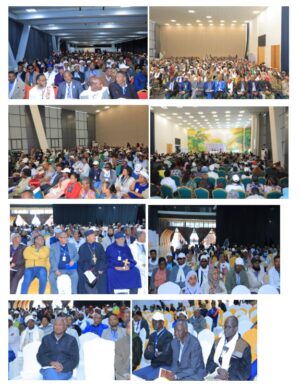
So, finally, my wish for a deliberative dialogue has come true. Not only that, I am also a part of that process, one of four thousand Ethiopians from all walks of life. I am convinced that this new national dialogue will lead to a new social contract which will enable Ethiopia to shift away from a recurring cycle of violence and conflict to reconstruction, development and national prosperity. I hope Socratic dialogue will drive our deliberative dialogue.
𝐃𝐢𝐚𝐥𝐨𝐠𝐮𝐞 𝐂𝐨𝐧𝐟𝐞𝐫𝐞𝐧𝐜𝐞 𝐂𝐡𝐫𝐨𝐧𝐨𝐥𝐨𝐠𝐲
Day 1 – Wednesday, July 15, 2026
The Dialogue conference officially opened in Addis Ababa with a high‑profile ceremony attended by PM Abiy Ahmed, senior national leaders, regional representatives, religious figures, and the 4,000+ delegates selected from across the country and the diaspora.
Opening statements by ENDC Chief Commissioner Prof. Mesfin Araya and other senior officials framed the dialogue as a decisive opportunity to transform Ethiopia’s political culture from cycles of confrontation to a tradition of consultation, compromise, and consensus. Emphasis was placed on the dialogue as a nation‑owned, citizen‑led process, built on years of grassroots consultations in over 1,200 woredas, and designed to address deep‑rooted structural issues rather than temporary crises. Participants were reminded of the guiding principles of the process: inclusiveness, equality of voice, mutual respect, cooperation, and consensus‑building.
Day 2 – Thursday, July 16, 2016
Day 2 focused on consolidating participants’ understanding of the process and beginning structured work on the eight agenda pillars. Participants were provided briefings clarifying the dialogue methodology, rules of procedure, and the role of expert groups attached to each thematic pillar. Experts were described as a professional advisory body meant to ensure the conference is “led by reason rather than emotion,” providing technical advice, simplifying complex concepts, and presenting policy options without making decisions themselves.
Day 3 – Friday, July 17, 2016
Day 3 focused on discussion of thematic clusters aligned with the eight major agenda pillars, including: Nation‑building, identity, and belonging, state structure, governance form, and federalism, constitutional status and governance of Addis Ababa and Dire Dawa, religious affairs and interfaith harmony, institutional building, rule of law, and human rights, socio‑economic affairs, resource management, and inclusion of youth, farmers, and pastoralists, anti‑corruption, transparency, and good governance, peacebuilding, reconciliation, and conflict prevention.
Day 4 – Saturday, July 18, 2016
Day 4 focused on discussions of code of conduct for dialogue, the importance of consensus building and procedures for decision making, reporting of irregularities, managing differences, resolving deadlocks, reaching collective decisions and resolution of procedural disputes.
Day 5 – Monday, July 20, 2016
Day 5 is scheduled to be the first day of full deliberations for the eight thematic issues.
𝐋𝐄𝐓’𝐒 𝐒𝐔𝐏𝐏𝐎𝐑𝐓 𝐓𝐇𝐄 𝐄𝐓𝐇𝐈𝐎𝐏𝐈𝐀𝐍 𝐍𝐀𝐓𝐈𝐎𝐍𝐀𝐋 𝐃𝐈𝐀𝐋𝐎𝐆𝐔𝐄 𝐂𝐎𝐍𝐅𝐄𝐑𝐄𝐍𝐂𝐄 𝐀𝐍𝐃 𝐌𝐀𝐊𝐄 𝐄𝐓𝐇𝐈𝐎𝐏𝐈𝐀 𝐆𝐑𝐄𝐀𝐓 𝐀𝐆𝐀𝐈𝐍!
Originally posted on X:
https://x.com/AlMariam1/status/2079588567144157598


For over three decades, I taught most of my college courses using the Socratic method. That is teaching by interrogation, as it were. I would ask my students a series of probing, open-ended questions on a topic or subject to stimulate critical thinking and expose strengths, weaknesses, inconsistencies and contradictions in analysis, arguments and beliefs. Socrates is credited with the epigram, “The unexamined life is not worth living.”
For more than two decades, I pursued a personal crusade speaking truth to those abusing power in Ethiopia framing my fight for democracy and human rights primarily as a moral, legal, and civic struggle against authoritarian rule, using my platform at http://almariam.com, among others, to educate, mobilize, and document abuses. I vociferously demanded unconditional release of all political prisoners, restoration of democratic rights and full press freedom, judicial independence and fair laws, accountability for human rights abusers, including those responsible for the 193 deaths and 763 injuries cited from the 2005 crackdown, electoral reform to ensure fraud‑free elections and competitive party politics, limits on the use of foreign security assistance against civilians, among other things.
In my commentaries, public statements, press interviews, op-eds and official submissions, I always promoted the idea of resolving Ethiopia’s political and social problems through a deliberative democratic dialogue process: a system where legitimate decisions arise from inclusive, reasoned dialogue among citizens at the grassroots level rather than from coercion, elite pacts, or sheer majority rule.
For the past two decades, I have argued that democracy in Ethiopia is not merely about elections and parties, but most importantly it should be about institutionalizing the practice of public reasoning about power, rights, and the common good. I have emphatically advocated for dialogue and against all forms of over violence. I have insisted that sustainable solutions to Ethiopia’s deep-rooted conflicts must come through meaningful conversations, listening, negotiation, and compromise, not through force, demagoguery or intimidation.
𝐀𝐬 𝐈 𝐡𝐚𝐯𝐞 𝐫𝐞𝐩𝐞𝐚𝐭𝐞𝐝𝐥𝐲 𝐝𝐞𝐜𝐥𝐚𝐫𝐞𝐝, 𝐩𝐨𝐰𝐞𝐫 𝐠𝐫𝐨𝐰𝐬 𝐨𝐮𝐭 𝐨𝐟 𝐝𝐢𝐚𝐥𝐨𝐠𝐮𝐞, 𝐧𝐨𝐭 𝐭𝐡𝐞 𝐛𝐚𝐫𝐫𝐞𝐥 𝐨𝐟 𝐭𝐡𝐞 𝐠𝐮𝐧. 𝐋𝐞𝐠𝐢𝐭𝐢𝐦𝐚𝐭𝐞 𝐚𝐮𝐭𝐡𝐨𝐫𝐢𝐭𝐲 𝐢𝐬 𝐠𝐞𝐧𝐞𝐫𝐚𝐭𝐞𝐝 𝐭𝐡𝐫𝐨𝐮𝐠𝐡 𝐟𝐚𝐢𝐫, 𝐢𝐧𝐜𝐥𝐮𝐬𝐢𝐯𝐞 𝐝𝐞𝐥𝐢𝐛𝐞𝐫𝐚𝐭𝐢𝐨𝐧, 𝐧𝐨𝐭 𝐦𝐞𝐫𝐞𝐥𝐲 𝐛𝐲 𝐰𝐢𝐧𝐧𝐢𝐧𝐠 𝐯𝐨𝐭𝐞𝐬 𝐨𝐫 𝐜𝐨𝐧𝐭𝐫𝐨𝐥𝐥𝐢𝐧𝐠 𝐭𝐡𝐞 𝐬𝐭𝐚𝐭𝐞. 𝐈 𝐡𝐚𝐯𝐞 𝐬𝐭𝐫𝐞𝐬𝐬𝐞𝐝 𝐭𝐡𝐞 𝐧𝐞𝐜𝐞𝐬𝐬𝐢𝐭𝐲 𝐨𝐟 𝐢𝐧𝐜𝐥𝐮𝐬𝐢𝐨𝐧 𝐚𝐧𝐝 𝐞𝐪𝐮𝐚𝐥𝐢𝐭𝐲 𝐨𝐟 𝐯𝐨𝐢𝐜𝐞 𝐚𝐧𝐝 𝐛𝐫𝐢𝐧𝐠𝐢𝐧𝐠 𝐢𝐧 𝐞𝐯𝐞𝐫𝐲𝐝𝐚𝐲 𝐜𝐢𝐭𝐢𝐳𝐞𝐧𝐬— 𝐰𝐨𝐦𝐞𝐧, 𝐲𝐨𝐮𝐭𝐡, 𝐫𝐞𝐥𝐢𝐠𝐢𝐨𝐮𝐬 𝐥𝐞𝐚𝐝𝐞𝐫𝐬, 𝐭𝐫𝐚𝐝𝐢𝐭𝐢𝐨𝐧𝐚𝐥 𝐞𝐥𝐝𝐞𝐫𝐬, 𝐜𝐢𝐯𝐢𝐥 𝐬𝐨𝐜𝐢𝐞𝐭𝐲, 𝐟𝐚𝐫𝐦𝐞𝐫𝐬, 𝐩𝐚𝐬𝐭𝐨𝐫𝐚𝐥𝐢𝐬𝐭𝐬, 𝐰𝐨𝐫𝐤𝐞𝐫𝐬— 𝐢𝐧 𝐭𝐡𝐞 𝐝𝐞𝐥𝐢𝐛𝐞𝐫𝐚𝐭𝐢𝐯𝐞 𝐝𝐢𝐚𝐥𝐨𝐠𝐮𝐞 𝐩𝐫𝐨𝐜𝐞𝐬𝐬 𝐬𝐨 𝐭𝐡𝐚𝐭 𝐭𝐡𝐞𝐢𝐫 𝐯𝐨𝐢𝐜𝐞𝐬 𝐜𝐚𝐫𝐫𝐲 𝐞𝐪𝐮𝐚𝐥 𝐰𝐞𝐢𝐠𝐡𝐭 𝐢𝐧 𝐬𝐞𝐭𝐭𝐢𝐧𝐠 𝐭𝐡𝐞 𝐚𝐠𝐞𝐧𝐝𝐚 𝐚𝐧𝐝 𝐬𝐡𝐚𝐩𝐢𝐧𝐠 𝐨𝐮𝐭𝐜𝐨𝐦𝐞𝐬.
I have vigorously advocated for a bottom‑up agenda setting. I have opposed the practice of allowing political elites to dictate terms and argued for processes where mass-based participation is used to ascertain public preferences and engage them in discussions before decisions are taken. I have never believed lasting and durable solutions could come from negotiations among party leaders, armed groups, or ethnic elites without deep citizen involvement. Such arrangements only entrench division and make peaceful change impossible fueling an endless cycle of violence and destruction.
𝐈 𝐡𝐚𝐯𝐞 𝐦𝐚𝐝𝐞 𝐬𝐩𝐞𝐜𝐢𝐟𝐢𝐜 𝐩𝐫𝐨𝐩𝐨𝐬𝐚𝐥𝐬 𝐟𝐨𝐫 𝐩𝐞𝐨𝐩𝐥𝐞‑𝐛𝐚𝐬𝐞𝐝, 𝐄𝐭𝐡𝐢𝐨𝐩𝐢𝐚𝐰𝐢𝐧𝐞𝐭‑𝐜𝐞𝐧𝐭𝐞𝐫𝐞𝐝 𝐫𝐞𝐜𝐨𝐧𝐜𝐢𝐥𝐢𝐚𝐭𝐢𝐨𝐧 𝐩𝐫𝐨𝐜𝐞𝐬𝐬, 𝐰𝐡𝐞𝐫𝐞 𝐥𝐨𝐜𝐚𝐥 𝐜𝐨𝐦𝐦𝐮𝐧𝐢𝐭𝐢𝐞𝐬 𝐮𝐬𝐞 𝐭𝐡𝐞𝐢𝐫 𝐨𝐰𝐧 𝐭𝐫𝐚𝐝𝐢𝐭𝐢𝐨𝐧𝐬 𝐨𝐟 𝐜𝐨𝐧𝐟𝐥𝐢𝐜𝐭 𝐫𝐞𝐬𝐨𝐥𝐮𝐭𝐢𝐨𝐧 𝐚𝐧𝐝 𝐭𝐫𝐮𝐭𝐡‑𝐭𝐞𝐥𝐥𝐢𝐧𝐠, 𝐬𝐮𝐩𝐩𝐨𝐫𝐭𝐞𝐝 𝐛𝐲 𝐞𝐥𝐝𝐞𝐫𝐬 𝐚𝐧𝐝 𝐟𝐚𝐢𝐭𝐡 𝐥𝐞𝐚𝐝𝐞𝐫𝐬, 𝐛𝐮𝐭 𝐝𝐫𝐢𝐯𝐞𝐧 𝐛𝐲 𝐨𝐫𝐝𝐢𝐧𝐚𝐫𝐲 𝐜𝐢𝐭𝐢𝐳𝐞𝐧𝐬. 𝐈 𝐡𝐚𝐯𝐞 𝐚𝐝𝐯𝐨𝐜𝐚𝐭𝐞𝐝 𝐛𝐨𝐭𝐭𝐨𝐦‑𝐮𝐩 𝐚𝐠𝐞𝐧𝐝𝐚 𝐬𝐞𝐭𝐭𝐢𝐧𝐠 𝐚𝐧𝐝 𝐮𝐫𝐠𝐞𝐝 𝐫𝐞𝐜𝐨𝐧𝐜𝐢𝐥𝐢𝐚𝐭𝐢𝐨𝐧 𝐝𝐢𝐬𝐜𝐮𝐬𝐬𝐢𝐨𝐧𝐬 𝐭𝐨 𝐛𝐞𝐠𝐢𝐧 𝐚𝐭 𝐭𝐡𝐞 𝐥𝐨𝐜𝐚𝐥 𝐥𝐞𝐯𝐞𝐥—𝐦𝐚𝐫𝐤𝐞𝐭𝐬, 𝐬𝐜𝐡𝐨𝐨𝐥𝐬, 𝐜𝐡𝐮𝐫𝐜𝐡𝐞𝐬, 𝐦𝐨𝐬𝐪𝐮𝐞𝐬, 𝐜𝐨𝐦𝐦𝐮𝐧𝐢𝐭𝐲 𝐠𝐚𝐭𝐡𝐞𝐫𝐢𝐧𝐠𝐬—𝐛𝐞𝐟𝐨𝐫𝐞 𝐬𝐜𝐚𝐥𝐢𝐧𝐠 𝐭𝐨 𝐫𝐞𝐠𝐢𝐨𝐧𝐚𝐥 𝐚𝐧𝐝 𝐧𝐚𝐭𝐢𝐨𝐧𝐚𝐥 𝐥𝐞𝐯𝐞𝐥𝐬, 𝐞𝐧𝐬𝐮𝐫𝐢𝐧𝐠 𝐭𝐡𝐚𝐭 𝐭𝐡𝐞 𝐩𝐞𝐨𝐩𝐥𝐞’𝐬 𝐩𝐫𝐢𝐨𝐫𝐢𝐭𝐢𝐞𝐬 𝐬𝐡𝐚𝐩𝐞 𝐭𝐡𝐞 𝐩𝐫𝐨𝐜𝐞𝐬𝐬. 𝐈 𝐡𝐚𝐯𝐞 𝐩𝐫𝐨𝐩𝐨𝐬𝐞𝐝 𝐚 𝐜𝐢𝐯𝐢𝐥 𝐝𝐞𝐜𝐥𝐚𝐫𝐚𝐭𝐢𝐨𝐧 𝐨𝐟 𝐠𝐨𝐨𝐝 𝐟𝐚𝐢𝐭𝐡 𝐜𝐨𝐦𝐦𝐢𝐭𝐭𝐢𝐧𝐠 𝐜𝐨𝐦𝐦𝐮𝐧𝐢𝐭𝐢𝐞𝐬 𝐭𝐨 𝐭𝐫𝐮𝐭𝐡 𝐚𝐧𝐝 𝐫𝐞𝐜𝐨𝐧𝐜𝐢𝐥𝐢𝐚𝐭𝐢𝐨𝐧 𝐢𝐧 𝐭𝐡𝐞 𝐬𝐩𝐢𝐫𝐢𝐭 𝐨𝐟 𝐄𝐭𝐡𝐢𝐨𝐩𝐢𝐚𝐰𝐢𝐧𝐞𝐭(𝐥𝐨𝐯𝐞 𝐨𝐟 𝐭𝐡𝐞 𝐄𝐭𝐡𝐢𝐨𝐩𝐢𝐚𝐧 𝐜𝐨𝐦𝐦𝐮𝐧𝐢𝐭𝐲).
So, finally, my wish for a deliberative dialogue has come true. Not only that, I am also a part of that process, one of four thousand Ethiopians from all walks of life. I am convinced that this new national dialogue will lead to a new social contract which will enable Ethiopia to shift away from a recurring cycle of violence and conflict to reconstruction, development and national prosperity. I hope Socratic dialogue will drive our deliberative dialogue.
𝐃𝐢𝐚𝐥𝐨𝐠𝐮𝐞 𝐂𝐨𝐧𝐟𝐞𝐫𝐞𝐧𝐜𝐞 𝐂𝐡𝐫𝐨𝐧𝐨𝐥𝐨𝐠𝐲
Day 1 – Wednesday, July 15, 2026
The Dialogue conference officially opened in Addis Ababa with a high‑profile ceremony attended by PM Abiy Ahmed, senior national leaders, regional representatives, religious figures, and the 4,000+ delegates selected from across the country and the diaspora.
Opening statements by ENDC Chief Commissioner Prof. Mesfin Araya and other senior officials framed the dialogue as a decisive opportunity to transform Ethiopia’s political culture from cycles of confrontation to a tradition of consultation, compromise, and consensus. Emphasis was placed on the dialogue as a nation‑owned, citizen‑led process, built on years of grassroots consultations in over 1,200 woredas, and designed to address deep‑rooted structural issues rather than temporary crises. Participants were reminded of the guiding principles of the process: inclusiveness, equality of voice, mutual respect, cooperation, and consensus‑building.
Day 2 – Thursday, July 16, 2016
Day 2 focused on consolidating participants’ understanding of the process and beginning structured work on the eight agenda pillars. Participants were provided briefings clarifying the dialogue methodology, rules of procedure, and the role of expert groups attached to each thematic pillar. Experts were described as a professional advisory body meant to ensure the conference is “led by reason rather than emotion,” providing technical advice, simplifying complex concepts, and presenting policy options without making decisions themselves.
Day 3 – Friday, July 17, 2016
Day 3 focused on discussion of thematic clusters aligned with the eight major agenda pillars, including: Nation‑building, identity, and belonging, state structure, governance form, and federalism, constitutional status and governance of Addis Ababa and Dire Dawa, religious affairs and interfaith harmony, institutional building, rule of law, and human rights, socio‑economic affairs, resource management, and inclusion of youth, farmers, and pastoralists, anti‑corruption, transparency, and good governance, peacebuilding, reconciliation, and conflict prevention.
Day 4 – Saturday, July 18, 2016
Day 4 focused on discussions of code of conduct for dialogue, the importance of consensus building and procedures for decision making, reporting of irregularities, managing differences, resolving deadlocks, reaching collective decisions and resolution of procedural disputes.
Day 5 – Monday, July 20, 2016
Day 5 is scheduled to be the first day of full deliberations for the eight thematic issues.
𝐋𝐄𝐓’𝐒 𝐒𝐔𝐏𝐏𝐎𝐑𝐓 𝐓𝐇𝐄 𝐄𝐓𝐇𝐈𝐎𝐏𝐈𝐀𝐍 𝐍𝐀𝐓𝐈𝐎𝐍𝐀𝐋 𝐃𝐈𝐀𝐋𝐎𝐆𝐔𝐄 𝐂𝐎𝐍𝐅𝐄𝐑𝐄𝐍𝐂𝐄 𝐀𝐍𝐃 𝐌𝐀𝐊𝐄 𝐄𝐓𝐇𝐈𝐎𝐏𝐈𝐀 𝐆𝐑𝐄𝐀𝐓 𝐀𝐆𝐀𝐈𝐍!
Originally posted on X:
https://x.com/AlMariam1/status/2079588567144157598
Share this: