𝐃𝐚𝐲 𝟗- 𝐅𝐫𝐢𝐝𝐚𝐲, 𝐉𝐮𝐥𝐲 𝟐𝟒, 𝟐𝟎𝟐𝟔
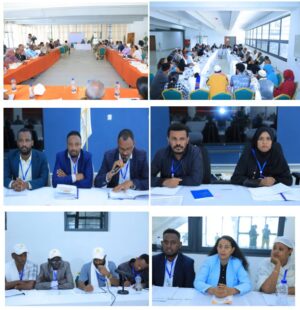
Today, the groups of ten consolidated their positions on the agenda issues assigned to them for further discussion with their larger groups of fifty delegates. The dialogue has been organized in a layered structure: an initial phase of 10 x 5, followed by 50 x 5, then 250 x 2, 250 x 16, and finally 8 x 500, bringing the total number of delegates to approximately 4,000.
𝐓𝐡𝐢𝐬 𝐝𝐞𝐬𝐢𝐠𝐧 𝐫𝐞𝐟𝐥𝐞𝐜𝐭𝐬 𝐛𝐨𝐭𝐡 𝐚𝐦𝐛𝐢𝐭𝐢𝐨𝐧 𝐚𝐧𝐝 𝐬𝐞𝐫𝐢𝐨𝐮𝐬𝐧𝐞𝐬𝐬. 𝐈𝐭 𝐢𝐬 𝐚 𝐬𝐭𝐫𝐮𝐜𝐭𝐮𝐫𝐞𝐝 𝐞𝐟𝐟𝐨𝐫𝐭 𝐭𝐨 𝐞𝐧𝐬𝐮𝐫𝐞 𝐭𝐡𝐚𝐭 𝐞𝐯𝐞𝐫𝐲 𝐯𝐨𝐢𝐜𝐞 𝐜𝐚𝐧 𝐛𝐞 𝐡𝐞𝐚𝐫𝐝, 𝐞𝐯𝐞𝐫𝐲 𝐜𝐨𝐧𝐜𝐞𝐫𝐧 𝐜𝐚𝐧 𝐛𝐞 𝐞𝐱𝐚𝐦𝐢𝐧𝐞𝐝, 𝐚𝐧𝐝 𝐞𝐯𝐞𝐫𝐲 𝐢𝐝𝐞𝐚 𝐜𝐚𝐧 𝐛𝐞 𝐜𝐚𝐫𝐫𝐢𝐞𝐝 𝐮𝐩𝐰𝐚𝐫𝐝 𝐭𝐡𝐫𝐨𝐮𝐠𝐡 𝐚 𝐜𝐚𝐫𝐞𝐟𝐮𝐥 𝐩𝐫𝐨𝐜𝐞𝐬𝐬 𝐨𝐟 𝐚𝐠𝐠𝐫𝐞𝐠𝐚𝐭𝐢𝐨𝐧 𝐚𝐧𝐝 𝐫𝐞𝐟𝐢𝐧𝐞𝐦𝐞𝐧𝐭.
Over the course of three days, the groups of ten engaged in detailed discussions on each topic and subtopic within their respective agendas. There was no restriction on the presentation of ideas. Every delegate was given full opportunity to speak, reflect, and respond. The process was deliberately open, allowing participants to express themselves without pressure or artificial limitation.
All views expressed by individual delegates were recorded carefully, reformulated as declarative statements, and read back to them to ensure accuracy. These statements were then entered into the formal notebook provided by the Commission, and the groups elected rapporteurs to preserve the integrity of the record. Individual views were subsequently synthesized into statements of consensus, while dissenting opinions were preserved separately. This careful documentation reflects a deep respect for both agreement and disagreement, and for the democratic value of precision in public deliberation.
The Ethiopian National Dialogue is emerging as an extraordinary experiment in collective reasoning. The very word “dialogue” comes from the Greek dialogos, meaning conversation, with roots in dia meaning “through” and logos meaning “speech” or “reason.”
𝐈𝐧 𝐭𝐡𝐢𝐬 𝐬𝐞𝐧𝐬𝐞, 𝐝𝐢𝐚𝐥𝐨𝐠𝐮𝐞 𝐢𝐬 𝐧𝐨𝐭 𝐦𝐞𝐫𝐞𝐥𝐲 𝐭𝐡𝐞 𝐞𝐱𝐜𝐡𝐚𝐧𝐠𝐞 𝐨𝐟 𝐰𝐨𝐫𝐝𝐬; 𝐢𝐭 𝐢𝐬 𝐫𝐞𝐚𝐬𝐨𝐧𝐢𝐧𝐠 𝐭𝐡𝐫𝐨𝐮𝐠𝐡 𝐬𝐩𝐞𝐞𝐜𝐡, 𝐚 𝐬𝐡𝐚𝐫𝐞𝐝 𝐬𝐞𝐚𝐫𝐜𝐡 𝐟𝐨𝐫 𝐮𝐧𝐝𝐞𝐫𝐬𝐭𝐚𝐧𝐝𝐢𝐧𝐠. 𝐏𝐥𝐚𝐭𝐨 𝐮𝐬𝐞𝐝 𝐝𝐢𝐚𝐥𝐨𝐠𝐮𝐞 𝐢𝐧 𝐡𝐢𝐬 𝐩𝐡𝐢𝐥𝐨𝐬𝐨𝐩𝐡𝐢𝐜𝐚𝐥 𝐰𝐨𝐫𝐤𝐬 𝐚𝐬 𝐚 𝐝𝐫𝐚𝐦𝐚𝐭𝐢𝐜 𝐟𝐨𝐫𝐦 𝐭𝐡𝐫𝐨𝐮𝐠𝐡 𝐰𝐡𝐢𝐜𝐡 𝐒𝐨𝐜𝐫𝐚𝐭𝐞𝐬 𝐞𝐧𝐠𝐚𝐠𝐞𝐝 𝐨𝐭𝐡𝐞𝐫𝐬 𝐢𝐧 𝐭𝐡𝐞 𝐩𝐮𝐫𝐬𝐮𝐢𝐭 𝐨𝐟 𝐭𝐫𝐮𝐭𝐡. 𝐈𝐧 𝐭𝐡𝐚𝐭 𝐭𝐫𝐚𝐝𝐢𝐭𝐢𝐨𝐧, 𝐝𝐢𝐚𝐥𝐨𝐠𝐮𝐞 𝐛𝐞𝐜𝐨𝐦𝐞𝐬 𝐚 𝐝𝐢𝐬𝐜𝐢𝐩𝐥𝐢𝐧𝐞𝐝 𝐦𝐞𝐭𝐡𝐨𝐝 𝐨𝐟 𝐢𝐧𝐪𝐮𝐢𝐫𝐲, 𝐨𝐧𝐞 𝐭𝐡𝐚𝐭 𝐭𝐫𝐞𝐚𝐭𝐬 𝐝𝐢𝐬𝐚𝐠𝐫𝐞𝐞𝐦𝐞𝐧𝐭 𝐧𝐨𝐭 𝐚𝐬 𝐚 𝐭𝐡𝐫𝐞𝐚𝐭 𝐛𝐮𝐭 𝐚𝐬 𝐚 𝐩𝐚𝐭𝐡𝐰𝐚𝐲 𝐭𝐨 𝐜𝐥𝐚𝐫𝐢𝐭𝐲. 𝐈 𝐚𝐦 𝐩𝐫𝐨𝐮𝐝 𝐭𝐨 𝐬𝐚𝐲 𝐄𝐭𝐡𝐢𝐨𝐩𝐢𝐚’𝐬 𝐍𝐚𝐭𝐢𝐨𝐧𝐚𝐥 𝐃𝐢𝐚𝐥𝐨𝐠𝐮𝐞 𝐂𝐨𝐧𝐟𝐞𝐫𝐞𝐧𝐜𝐞 𝐬𝐭𝐚𝐧𝐝𝐬 𝐢𝐧 𝐭𝐡𝐚𝐭 𝐬𝐚𝐦𝐞 𝐢𝐧𝐭𝐞𝐥𝐥𝐞𝐜𝐭𝐮𝐚𝐥 𝐚𝐧𝐝 𝐦𝐨𝐫𝐚𝐥 𝐥𝐢𝐧𝐞𝐚𝐠𝐞.
I have had the privilege of participating in the Conference both as a delegate in group discussions and as an expert in subject-matter sessions. In both roles, I witnessed Conference delegates applying reason to the country’s most difficult problems and possible solutions. They drew on personal experience, local wisdom, proverbs, scientific evidence, and statistical analysis. Some spoke from the authority of lived hardship; others contributed technical insight or historical perspective.
Together, these forms of knowledge enriched the discussion and made it more grounded, humane, and realistic. The result was not merely a conversation, but a genuine collective effort to understand Ethiopia’s challenges in their full complexity.
The atmosphere during the discussions was notably calm, respectful, and attentive. Delegates listened carefully to one another. Very few arrived with rigid positions, and even fewer appeared unwilling to revise their views. Most showed a remarkable openness to persuasion, despite holding strong preexisting beliefs. They asked questions generously and with sincerity.
Through close listening, many developed empathy for the views of others, even where they did not fully agree. This quality of mutual attention gave the dialogue a rare and encouraging tone. It suggested that consensus was not being forced but being patiently built organically from within.
Many delegates changed or refined their positions after hearing expert presentations. This was one of the strongest signs that the dialogue is functioning as it should. Expert input is not intended to override delegate judgment, but to sharpen it, expand it, and help delegates distinguish between slogans and solutions. In a country facing deep institutional and historical questions, such informed adjustment is a strength, not a weakness. It shows a willingness to learn and a commitment to truth over posture.
Equally striking was the sense of personal responsibility delegates brought to their work. During meetings and even in coffee breaks, they reminded one another of the weight of their generational duty. They spoke often of the rarity of the opportunity before them and the need to do their very best in carrying out their responsibilities. Their conversations reflected goodwill, good faith, and trust in one another’s integrity.
Notably, they often used the language of collective belonging—“we” and “our”—rather than the language of division. That subtle but powerful choice of words revealed to me a growing sense of shared ownership over Ethiopia’s future.
Over these three days of dialogue, one could observe a quiet transformation. Delegates who arrived with broad and sometimes diffuse agendas gradually refined their thinking into more focused and workable proposals. This narrowing was not a loss, but a gain. It reflected the discipline of dialogue: the movement from every possible concern to the most urgent and actionable ones. It showed that when people reason together honestly, they can move from abstraction to clarity, from fragmentation to coherence.
As I listened to delegates, answered their questions as a subject-matter expert, and observed their interactions during sessions and coffee breaks, I was reminded of a profound line from Dr. Martin Luther King Jr.: “We must learn to live together as brothers or perish together as fools.”
That message resonates deeply in Ethiopia’s present moment. It speaks not only to coexistence, but to moral responsibility, humility, and the necessity of shared destiny. The dialogue conference is giving that principle a living form.
After three intense days of small-group deliberations, I am left with a strong conviction: Ethiopians can and will live together in peace as brothers and sisters. The wisdom, patience, and seriousness displayed by the delegates suggest that national renewal and reconciliation is not just possible but foreordained by the Almighty.
As a Conference participant, observer and subject matter expert over the past three days of intense dialogue and deliberations of the small groups of ten, I am convinced that we Ethiopians shall live together as brothers and sisters because we live in the “land of the wise” and are determined to ensure “Ethiopia Shall Rise” just as Ghana’s first president Kwame Nkruma predicted in his poem by the same title in 1963, at the founding of the Organization of African Unity (OAU) in Addis Ababa, and become “Africa’s Destiny.”
“𝐄𝐭𝐡𝐢𝐨𝐩𝐢𝐚 𝐒𝐡𝐚𝐥𝐥 𝐑𝐢𝐬𝐞” (𝐊𝐰𝐚𝐦𝐞 𝐍𝐤𝐫𝐮𝐦𝐚𝐡)
𝐄𝐭𝐡𝐢𝐨𝐩𝐢𝐚, 𝐀𝐟𝐫𝐢𝐜𝐚’𝐬 𝐛𝐫𝐢𝐠𝐡𝐭 𝐠𝐞𝐦
Set high among the verdant hills
That gave birth to the unfailing
Waters of the Nile
𝐄𝐭𝐡𝐢𝐨𝐩𝐢𝐚 𝐬𝐡𝐚𝐥𝐥 𝐫𝐢𝐬𝐞
𝐄𝐭𝐡𝐢𝐨𝐩𝐢𝐚, 𝐥𝐚𝐧𝐝 𝐨𝐟 𝐭𝐡𝐞 𝐰𝐢𝐬𝐞;
Ethiopia, bold cradle of Africa’s ancient rule
And fertile school
Of our African culture;
𝐄𝐭𝐡𝐢𝐨𝐩𝐢𝐚, 𝐭𝐡𝐞 𝐰𝐢𝐬𝐞 𝐒𝐡𝐚𝐥𝐥 𝐫𝐢𝐬𝐞
And remould with us the full figure
Of Africa’s hopes
And destiny.
𝐋𝐄𝐓’𝐒 𝐀𝐋𝐋 𝐉𝐎𝐈𝐍 𝐇𝐀𝐍𝐃𝐒 𝐀𝐍𝐃 𝐄𝐍𝐒𝐔𝐑𝐄 𝐄𝐓𝐇𝐈𝐎𝐏𝐈𝐀 𝐒𝐇𝐀𝐋𝐋 𝐑𝐈𝐒𝐄 𝐀𝐍𝐃 𝐁𝐄𝐂𝐎𝐌𝐄 𝐆𝐑𝐄𝐀𝐓 𝐀𝐆𝐀𝐈𝐍 𝐁𝐘 𝐒𝐔𝐏𝐏𝐎𝐑𝐓𝐈𝐍𝐆 𝐓𝐇𝐄 𝐄𝐓𝐇𝐈𝐎𝐏𝐈𝐀𝐍 𝐍𝐀𝐓𝐈𝐎𝐍𝐀𝐋 𝐃𝐈𝐀𝐋𝐎𝐆𝐔𝐄 𝐂𝐎𝐍𝐅𝐄𝐑𝐄𝐍𝐂𝐄.
Originally posted on X:
https://x.com/AlMariam1/status/2080839769030885424


𝐃𝐚𝐲 𝟗- 𝐅𝐫𝐢𝐝𝐚𝐲, 𝐉𝐮𝐥𝐲 𝟐𝟒, 𝟐𝟎𝟐𝟔
Today, the groups of ten consolidated their positions on the agenda issues assigned to them for further discussion with their larger groups of fifty delegates. The dialogue has been organized in a layered structure: an initial phase of 10 x 5, followed by 50 x 5, then 250 x 2, 250 x 16, and finally 8 x 500, bringing the total number of delegates to approximately 4,000.
𝐓𝐡𝐢𝐬 𝐝𝐞𝐬𝐢𝐠𝐧 𝐫𝐞𝐟𝐥𝐞𝐜𝐭𝐬 𝐛𝐨𝐭𝐡 𝐚𝐦𝐛𝐢𝐭𝐢𝐨𝐧 𝐚𝐧𝐝 𝐬𝐞𝐫𝐢𝐨𝐮𝐬𝐧𝐞𝐬𝐬. 𝐈𝐭 𝐢𝐬 𝐚 𝐬𝐭𝐫𝐮𝐜𝐭𝐮𝐫𝐞𝐝 𝐞𝐟𝐟𝐨𝐫𝐭 𝐭𝐨 𝐞𝐧𝐬𝐮𝐫𝐞 𝐭𝐡𝐚𝐭 𝐞𝐯𝐞𝐫𝐲 𝐯𝐨𝐢𝐜𝐞 𝐜𝐚𝐧 𝐛𝐞 𝐡𝐞𝐚𝐫𝐝, 𝐞𝐯𝐞𝐫𝐲 𝐜𝐨𝐧𝐜𝐞𝐫𝐧 𝐜𝐚𝐧 𝐛𝐞 𝐞𝐱𝐚𝐦𝐢𝐧𝐞𝐝, 𝐚𝐧𝐝 𝐞𝐯𝐞𝐫𝐲 𝐢𝐝𝐞𝐚 𝐜𝐚𝐧 𝐛𝐞 𝐜𝐚𝐫𝐫𝐢𝐞𝐝 𝐮𝐩𝐰𝐚𝐫𝐝 𝐭𝐡𝐫𝐨𝐮𝐠𝐡 𝐚 𝐜𝐚𝐫𝐞𝐟𝐮𝐥 𝐩𝐫𝐨𝐜𝐞𝐬𝐬 𝐨𝐟 𝐚𝐠𝐠𝐫𝐞𝐠𝐚𝐭𝐢𝐨𝐧 𝐚𝐧𝐝 𝐫𝐞𝐟𝐢𝐧𝐞𝐦𝐞𝐧𝐭.
Over the course of three days, the groups of ten engaged in detailed discussions on each topic and subtopic within their respective agendas. There was no restriction on the presentation of ideas. Every delegate was given full opportunity to speak, reflect, and respond. The process was deliberately open, allowing participants to express themselves without pressure or artificial limitation.
All views expressed by individual delegates were recorded carefully, reformulated as declarative statements, and read back to them to ensure accuracy. These statements were then entered into the formal notebook provided by the Commission, and the groups elected rapporteurs to preserve the integrity of the record. Individual views were subsequently synthesized into statements of consensus, while dissenting opinions were preserved separately. This careful documentation reflects a deep respect for both agreement and disagreement, and for the democratic value of precision in public deliberation.
The Ethiopian National Dialogue is emerging as an extraordinary experiment in collective reasoning. The very word “dialogue” comes from the Greek dialogos, meaning conversation, with roots in dia meaning “through” and logos meaning “speech” or “reason.”
𝐈𝐧 𝐭𝐡𝐢𝐬 𝐬𝐞𝐧𝐬𝐞, 𝐝𝐢𝐚𝐥𝐨𝐠𝐮𝐞 𝐢𝐬 𝐧𝐨𝐭 𝐦𝐞𝐫𝐞𝐥𝐲 𝐭𝐡𝐞 𝐞𝐱𝐜𝐡𝐚𝐧𝐠𝐞 𝐨𝐟 𝐰𝐨𝐫𝐝𝐬; 𝐢𝐭 𝐢𝐬 𝐫𝐞𝐚𝐬𝐨𝐧𝐢𝐧𝐠 𝐭𝐡𝐫𝐨𝐮𝐠𝐡 𝐬𝐩𝐞𝐞𝐜𝐡, 𝐚 𝐬𝐡𝐚𝐫𝐞𝐝 𝐬𝐞𝐚𝐫𝐜𝐡 𝐟𝐨𝐫 𝐮𝐧𝐝𝐞𝐫𝐬𝐭𝐚𝐧𝐝𝐢𝐧𝐠. 𝐏𝐥𝐚𝐭𝐨 𝐮𝐬𝐞𝐝 𝐝𝐢𝐚𝐥𝐨𝐠𝐮𝐞 𝐢𝐧 𝐡𝐢𝐬 𝐩𝐡𝐢𝐥𝐨𝐬𝐨𝐩𝐡𝐢𝐜𝐚𝐥 𝐰𝐨𝐫𝐤𝐬 𝐚𝐬 𝐚 𝐝𝐫𝐚𝐦𝐚𝐭𝐢𝐜 𝐟𝐨𝐫𝐦 𝐭𝐡𝐫𝐨𝐮𝐠𝐡 𝐰𝐡𝐢𝐜𝐡 𝐒𝐨𝐜𝐫𝐚𝐭𝐞𝐬 𝐞𝐧𝐠𝐚𝐠𝐞𝐝 𝐨𝐭𝐡𝐞𝐫𝐬 𝐢𝐧 𝐭𝐡𝐞 𝐩𝐮𝐫𝐬𝐮𝐢𝐭 𝐨𝐟 𝐭𝐫𝐮𝐭𝐡. 𝐈𝐧 𝐭𝐡𝐚𝐭 𝐭𝐫𝐚𝐝𝐢𝐭𝐢𝐨𝐧, 𝐝𝐢𝐚𝐥𝐨𝐠𝐮𝐞 𝐛𝐞𝐜𝐨𝐦𝐞𝐬 𝐚 𝐝𝐢𝐬𝐜𝐢𝐩𝐥𝐢𝐧𝐞𝐝 𝐦𝐞𝐭𝐡𝐨𝐝 𝐨𝐟 𝐢𝐧𝐪𝐮𝐢𝐫𝐲, 𝐨𝐧𝐞 𝐭𝐡𝐚𝐭 𝐭𝐫𝐞𝐚𝐭𝐬 𝐝𝐢𝐬𝐚𝐠𝐫𝐞𝐞𝐦𝐞𝐧𝐭 𝐧𝐨𝐭 𝐚𝐬 𝐚 𝐭𝐡𝐫𝐞𝐚𝐭 𝐛𝐮𝐭 𝐚𝐬 𝐚 𝐩𝐚𝐭𝐡𝐰𝐚𝐲 𝐭𝐨 𝐜𝐥𝐚𝐫𝐢𝐭𝐲. 𝐈 𝐚𝐦 𝐩𝐫𝐨𝐮𝐝 𝐭𝐨 𝐬𝐚𝐲 𝐄𝐭𝐡𝐢𝐨𝐩𝐢𝐚’𝐬 𝐍𝐚𝐭𝐢𝐨𝐧𝐚𝐥 𝐃𝐢𝐚𝐥𝐨𝐠𝐮𝐞 𝐂𝐨𝐧𝐟𝐞𝐫𝐞𝐧𝐜𝐞 𝐬𝐭𝐚𝐧𝐝𝐬 𝐢𝐧 𝐭𝐡𝐚𝐭 𝐬𝐚𝐦𝐞 𝐢𝐧𝐭𝐞𝐥𝐥𝐞𝐜𝐭𝐮𝐚𝐥 𝐚𝐧𝐝 𝐦𝐨𝐫𝐚𝐥 𝐥𝐢𝐧𝐞𝐚𝐠𝐞.
I have had the privilege of participating in the Conference both as a delegate in group discussions and as an expert in subject-matter sessions. In both roles, I witnessed Conference delegates applying reason to the country’s most difficult problems and possible solutions. They drew on personal experience, local wisdom, proverbs, scientific evidence, and statistical analysis. Some spoke from the authority of lived hardship; others contributed technical insight or historical perspective.
Together, these forms of knowledge enriched the discussion and made it more grounded, humane, and realistic. The result was not merely a conversation, but a genuine collective effort to understand Ethiopia’s challenges in their full complexity.
The atmosphere during the discussions was notably calm, respectful, and attentive. Delegates listened carefully to one another. Very few arrived with rigid positions, and even fewer appeared unwilling to revise their views. Most showed a remarkable openness to persuasion, despite holding strong preexisting beliefs. They asked questions generously and with sincerity.
Through close listening, many developed empathy for the views of others, even where they did not fully agree. This quality of mutual attention gave the dialogue a rare and encouraging tone. It suggested that consensus was not being forced but being patiently built organically from within.
Many delegates changed or refined their positions after hearing expert presentations. This was one of the strongest signs that the dialogue is functioning as it should. Expert input is not intended to override delegate judgment, but to sharpen it, expand it, and help delegates distinguish between slogans and solutions. In a country facing deep institutional and historical questions, such informed adjustment is a strength, not a weakness. It shows a willingness to learn and a commitment to truth over posture.
Equally striking was the sense of personal responsibility delegates brought to their work. During meetings and even in coffee breaks, they reminded one another of the weight of their generational duty. They spoke often of the rarity of the opportunity before them and the need to do their very best in carrying out their responsibilities. Their conversations reflected goodwill, good faith, and trust in one another’s integrity.
Notably, they often used the language of collective belonging—“we” and “our”—rather than the language of division. That subtle but powerful choice of words revealed to me a growing sense of shared ownership over Ethiopia’s future.
Over these three days of dialogue, one could observe a quiet transformation. Delegates who arrived with broad and sometimes diffuse agendas gradually refined their thinking into more focused and workable proposals. This narrowing was not a loss, but a gain. It reflected the discipline of dialogue: the movement from every possible concern to the most urgent and actionable ones. It showed that when people reason together honestly, they can move from abstraction to clarity, from fragmentation to coherence.
As I listened to delegates, answered their questions as a subject-matter expert, and observed their interactions during sessions and coffee breaks, I was reminded of a profound line from Dr. Martin Luther King Jr.: “We must learn to live together as brothers or perish together as fools.”
That message resonates deeply in Ethiopia’s present moment. It speaks not only to coexistence, but to moral responsibility, humility, and the necessity of shared destiny. The dialogue conference is giving that principle a living form.
After three intense days of small-group deliberations, I am left with a strong conviction: Ethiopians can and will live together in peace as brothers and sisters. The wisdom, patience, and seriousness displayed by the delegates suggest that national renewal and reconciliation is not just possible but foreordained by the Almighty.
As a Conference participant, observer and subject matter expert over the past three days of intense dialogue and deliberations of the small groups of ten, I am convinced that we Ethiopians shall live together as brothers and sisters because we live in the “land of the wise” and are determined to ensure “Ethiopia Shall Rise” just as Ghana’s first president Kwame Nkruma predicted in his poem by the same title in 1963, at the founding of the Organization of African Unity (OAU) in Addis Ababa, and become “Africa’s Destiny.”
“𝐄𝐭𝐡𝐢𝐨𝐩𝐢𝐚 𝐒𝐡𝐚𝐥𝐥 𝐑𝐢𝐬𝐞” (𝐊𝐰𝐚𝐦𝐞 𝐍𝐤𝐫𝐮𝐦𝐚𝐡)
𝐄𝐭𝐡𝐢𝐨𝐩𝐢𝐚, 𝐀𝐟𝐫𝐢𝐜𝐚’𝐬 𝐛𝐫𝐢𝐠𝐡𝐭 𝐠𝐞𝐦
Set high among the verdant hills
That gave birth to the unfailing
Waters of the Nile
𝐄𝐭𝐡𝐢𝐨𝐩𝐢𝐚 𝐬𝐡𝐚𝐥𝐥 𝐫𝐢𝐬𝐞
𝐄𝐭𝐡𝐢𝐨𝐩𝐢𝐚, 𝐥𝐚𝐧𝐝 𝐨𝐟 𝐭𝐡𝐞 𝐰𝐢𝐬𝐞;
Ethiopia, bold cradle of Africa’s ancient rule
And fertile school
Of our African culture;
𝐄𝐭𝐡𝐢𝐨𝐩𝐢𝐚, 𝐭𝐡𝐞 𝐰𝐢𝐬𝐞 𝐒𝐡𝐚𝐥𝐥 𝐫𝐢𝐬𝐞
And remould with us the full figure
Of Africa’s hopes
And destiny.
𝐋𝐄𝐓’𝐒 𝐀𝐋𝐋 𝐉𝐎𝐈𝐍 𝐇𝐀𝐍𝐃𝐒 𝐀𝐍𝐃 𝐄𝐍𝐒𝐔𝐑𝐄 𝐄𝐓𝐇𝐈𝐎𝐏𝐈𝐀 𝐒𝐇𝐀𝐋𝐋 𝐑𝐈𝐒𝐄 𝐀𝐍𝐃 𝐁𝐄𝐂𝐎𝐌𝐄 𝐆𝐑𝐄𝐀𝐓 𝐀𝐆𝐀𝐈𝐍 𝐁𝐘 𝐒𝐔𝐏𝐏𝐎𝐑𝐓𝐈𝐍𝐆 𝐓𝐇𝐄 𝐄𝐓𝐇𝐈𝐎𝐏𝐈𝐀𝐍 𝐍𝐀𝐓𝐈𝐎𝐍𝐀𝐋 𝐃𝐈𝐀𝐋𝐎𝐆𝐔𝐄 𝐂𝐎𝐍𝐅𝐄𝐑𝐄𝐍𝐂𝐄.
Originally posted on X:
https://x.com/AlMariam1/status/2080839769030885424
Share this: