𝐃𝐚𝐲 𝟏𝟕 — 𝐖𝐞𝐝𝐧𝐞𝐬𝐝𝐚𝐲, 𝐀𝐮𝐠𝐮𝐬𝐭 𝟓, 𝟐𝟎𝟐𝟔
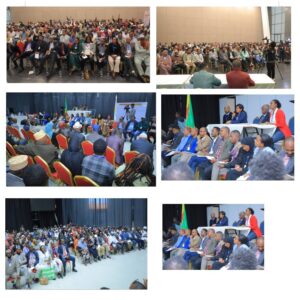
Today marked a historic milestone at the Ethiopian National Dialogue Conference. The Strategic Group of 25, elected by the larger assembly of 250 delegates, completed its critical mission: refining, harmonizing, and synthesizing the divergent views, competing demands, and conflicting preferences that emerged from weeks of intensive deliberations.
After multiple rounds of feedback—some agenda groups presenting drafts three or even four times—the consensus document was signed by most delegates today, with a few postponing until tomorrow. This document captures both the issues on which consensus was reached and those that remain outstanding for various reasons.
What I observed unfolding was not merely procedural aggregation of divergent ideas—it was substantive and transformative. The Strategic Group undertook a grueling, time-consuming task with remarkable discipline, intellectual acuity, transparency, and a profound sense of generational responsibility. For all the hard and creative work involved, it was truly a labor of love, performed with unwavering fidelity to the mission entrusted to them by the larger body.
The Practical Wisdom of Delegation and Responsibility
The dynamics I witnessed between the Strategic Group and the larger body of 250 delegates offered a compelling demonstration of how delegation and responsibility can work together in practice—especially in a setting as complex and high-stakes national dialogue on longstanding issues in the Ethiopian context.
Large groups are notoriously difficult to manage when it comes to synthesis. Competing voices, groupthink, herd mentality and diminishing returns on deliberation time make it nearly impossible for a plenary of 250 to draft a coherent paragraph together, let alone a comprehensive consensus document.
It is practical and more efficient for a delegated subgroup to make the hard editorial calls: which ideas to merge, which to drop, which words and phrases to include or exclude. Delegation of power is what enables this efficiency, granting the subgroup the “license” to make choices and interim decisions for presentation to the larger group, instead of just summarizing.
Yet delegation carries risks. The classic principal-agent problem looms: agents may drift from principals’ intentions—deliberately, through their own preferences leaking into the supposedly “neutral” act of synthesis, or inadvertently, through the unavoidable interpretive choices that any harmonization requires.
There is also a legitimacy cost: the larger group must trust that a handful of people, chosen often by convenience rather than perfect representativeness or intellectual prowess, will not distort what was said or intended. The more power is delegated, the more the final presentation functions as a decision the plenary must accept or reject as a whole, rather than a set of options it can still shape line by line.
This is where responsibility theory offers a different, more constructive starting point. Rather than asking only who holds decision rights, it asks who is answerable for a task being done well—and treats that answerability as separable from authority. A subgroup can be made responsible for accurately representing the room’s thinking—charged with listening carefully, capturing the range of views, and presenting them clearly—without being given unchecked power to resolve disagreements or make binding choices on the group’s behalf. The Strategic group’s task, under this frame, is fidelity of representation, not final decision making.
This distinction matters profoundly in the Ethiopian Dialogue Conference. If the delegated authority of the group of 250 says, “The Strategic Group is responsible for bringing back what was said in the room,” the expectation is closer to a minutes reporter. The aim will be comprehensiveness and accuracy of content than informed and balanced editorial judgment. The task becomes the preservation of a record of disagreements rather than harmonizing and smoothing out differences into a single consensus position.
Responsibility, in this sense, is a moral and procedural burden—the Strategic Group can be held to account for how well it discharged the duty—but it does not, by itself, confer the standing to make the final decision stick. That standing remains with the plenary, which retains the power to accept, revise, or reject what is brought back.
The strength of this framing is that it protects the authority of the 250-delegate group even while distributing the labor of synthesis and harmonization to the Strategic Group. Its weakness is that it can produce an unwieldy report—a list of everything rather than a coherent position—precisely because the Strategic Group has been asked to represent and catalogue views, not harmonize for consensus building.
The Ethiopian Approach: Balancing Power and Accountability
𝐖𝐡𝐚𝐭 𝐦𝐚𝐝𝐞 𝐭𝐡𝐞 𝐄𝐭𝐡𝐢𝐨𝐩𝐢𝐚𝐧 𝐃𝐢𝐚𝐥𝐨𝐠𝐮𝐞 𝐂𝐨𝐧𝐟𝐞𝐫𝐞𝐧𝐜𝐞 𝐝𝐢𝐟𝐟𝐞𝐫𝐞𝐧𝐭 𝐰𝐚𝐬 𝐢𝐭𝐬 𝐝𝐞𝐥𝐢𝐛𝐞𝐫𝐚𝐭𝐞 𝐞𝐟𝐟𝐨𝐫𝐭 𝐭𝐨 𝐜𝐨𝐦𝐛𝐢𝐧𝐞 𝐭𝐡𝐞 𝐛𝐞𝐬𝐭 𝐨𝐟 𝐛𝐨𝐭𝐡 𝐚𝐩𝐩𝐫𝐨𝐚𝐜𝐡𝐞𝐬. 𝐓𝐡𝐞 𝟐𝟓𝟎 𝐝𝐞𝐥𝐞𝐠𝐚𝐭𝐞𝐬 𝐠𝐫𝐚𝐧𝐭𝐞𝐝 𝐭𝐡𝐞𝐢𝐫 𝐒𝐭𝐫𝐚𝐭𝐞𝐠𝐢𝐜 𝐆𝐫𝐨𝐮𝐩 𝐭𝐡𝐞 𝐩𝐨𝐰𝐞𝐫 𝐭𝐨 𝐚𝐜𝐭 𝐨𝐧 𝐭𝐡𝐞𝐢𝐫 𝐛𝐞𝐡𝐚𝐥𝐟—𝐭𝐨 𝐩𝐫𝐨𝐜𝐞𝐬𝐬 𝐜𝐨𝐦𝐩𝐥𝐞𝐱 𝐚𝐧𝐝 𝐜𝐨𝐧𝐟𝐥𝐢𝐜𝐭𝐢𝐧𝐠 𝐯𝐢𝐞𝐰𝐬, 𝐝𝐫𝐚𝐟𝐭 𝐫𝐞𝐜𝐨𝐦𝐦𝐞𝐧𝐝𝐚𝐭𝐢𝐨𝐧 𝐩𝐫𝐨𝐩𝐨𝐬𝐚𝐥𝐬, 𝐚𝐧𝐝 𝐦𝐚𝐤𝐞 𝐝𝐞𝐜𝐢𝐬𝐢𝐨𝐧𝐬 𝐰𝐢𝐭𝐡𝐨𝐮𝐭 𝐫𝐞𝐪𝐮𝐢𝐫𝐢𝐧𝐠 𝐞𝐯𝐞𝐫𝐲 𝐬𝐢𝐧𝐠𝐥𝐞 𝐦𝐞𝐦𝐛𝐞𝐫 𝐭𝐨 𝐩𝐚𝐫𝐭𝐢𝐜𝐢𝐩𝐚𝐭𝐞 𝐢𝐧 𝐞𝐯𝐞𝐫𝐲 𝐦𝐢𝐜𝐫𝐨-𝐝𝐞𝐜𝐢𝐬𝐢𝐨𝐧. 𝐁𝐮𝐭 𝐭𝐡𝐞𝐲 𝐝𝐢𝐝 𝐬𝐨 𝐰𝐢𝐭𝐡𝐢𝐧 𝐚 𝐟𝐫𝐚𝐦𝐞𝐰𝐨𝐫𝐤 𝐭𝐡𝐚𝐭 𝐤𝐞𝐩𝐭 𝐮𝐥𝐭𝐢𝐦𝐚𝐭𝐞 𝐚𝐜𝐜𝐨𝐮𝐧𝐭𝐚𝐛𝐢𝐥𝐢𝐭𝐲 𝐚𝐧𝐜𝐡𝐨𝐫𝐞𝐝 𝐭𝐨 𝐭𝐡𝐞 𝐜𝐨𝐥𝐥𝐞𝐜𝐭𝐢𝐯𝐞’𝐬 𝐬𝐭𝐚𝐧𝐝𝐚𝐫𝐝𝐬 𝐚𝐧𝐝 𝐞𝐱𝐩𝐞𝐜𝐭𝐚𝐭𝐢𝐨𝐧𝐬. 𝐨𝐟 𝐭𝐡𝐞 𝟐𝟓𝟎-𝐝𝐞𝐥𝐞𝐠𝐚𝐭𝐞 𝐠𝐫𝐨𝐮𝐩.
The deliberative setup required an ongoing, interactive feedback loop between the Strategic Group and the larger body. The Strategic Group was expected to present progress, invite comments, suggestions, critiques, and feedback from the larger group based on broader, open, and transparent dialogue before finalizing actions. This created a system where delegates could not simply assert the power to decide for the larger group—they had to demonstrate that their decisions were based on reasons the broader group could understand, evaluate, and eventually accept.
This balance is delicate. If the 250-delegate group delegates too little power, deliberative processes suffer from deadlock and paralysis because every minor decision requires group consensus. If it delegates too much power, the process degenerates into technocracy or elite capture, breaking democratic legitimacy.
On the other hand, when delegates are given massive responsibility to harmonize and synthesize complex public issues but lack sufficient delegated power, the responsibility becomes an impossible burden. Conversely, power without matching responsibility breeds authoritarian decision-making (tyranny of the majority) within the assembly.
𝐖𝐡𝐚𝐭 𝐭𝐡𝐞 𝐝𝐞𝐥𝐞𝐠𝐚𝐭𝐞𝐬 𝐚𝐜𝐡𝐢𝐞𝐯𝐞𝐝 𝐚𝐭 𝐭𝐡𝐞 𝐄𝐭𝐡𝐢𝐨𝐩𝐢𝐚𝐧 𝐃𝐢𝐚𝐥𝐨𝐠𝐮𝐞 𝐂𝐨𝐧𝐟𝐞𝐫𝐞𝐧𝐜𝐞 𝐰𝐚𝐬 𝐚 𝐫𝐚𝐫𝐞 𝐬𝐲𝐧𝐭𝐡𝐞𝐬𝐢𝐬: 𝐜𝐨𝐦𝐛𝐢𝐧𝐢𝐧𝐠 𝐝𝐞𝐥𝐞𝐠𝐚𝐭𝐢𝐨𝐧 𝐨𝐟 𝐩𝐨𝐰𝐞𝐫—𝐰𝐡𝐢𝐜𝐡 𝐩𝐫𝐨𝐯𝐢𝐝𝐞𝐬 𝐭𝐡𝐞 𝐞𝐟𝐟𝐢𝐜𝐢𝐞𝐧𝐜𝐲 𝐚𝐧𝐝 𝐟𝐨𝐜𝐮𝐬 𝐫𝐞𝐪𝐮𝐢𝐫𝐞𝐝 𝐭𝐨 𝐭𝐫𝐚𝐧𝐬𝐥𝐚𝐭𝐞 𝐛𝐫𝐨𝐚𝐝 𝐜𝐨𝐦𝐦𝐮𝐧𝐚𝐥 𝐯𝐚𝐥𝐮𝐞𝐬 𝐢𝐧𝐭𝐨 𝐜𝐨𝐧𝐜𝐫𝐞𝐭𝐞 𝐚𝐜𝐭𝐢𝐨𝐧—𝐰𝐢𝐭𝐡 𝐫𝐞𝐬𝐩𝐨𝐧𝐬𝐢𝐛𝐢𝐥𝐢𝐭𝐲 𝐭𝐡𝐞𝐨𝐫𝐲, 𝐰𝐡𝐢𝐜𝐡 𝐞𝐧𝐬𝐮𝐫𝐞𝐬 𝐭𝐡𝐚𝐭 𝐝𝐞𝐥𝐞𝐠𝐚𝐭𝐞𝐬 𝐫𝐞𝐦𝐚𝐢𝐧 𝐚𝐧𝐜𝐡𝐨𝐫𝐞𝐝 𝐭𝐨 𝐭𝐡𝐞 𝐛𝐫𝐨𝐚𝐝𝐞𝐫 𝐠𝐫𝐨𝐮𝐩 𝐭𝐡𝐫𝐨𝐮𝐠𝐡 𝐭𝐫𝐚𝐧𝐬𝐩𝐚𝐫𝐞𝐧𝐭, 𝐫𝐞𝐚𝐬𝐨𝐧-𝐛𝐚𝐬𝐞𝐝 𝐣𝐮𝐬𝐭𝐢𝐟𝐢𝐜𝐚𝐭𝐢𝐨𝐧, 𝐩𝐫𝐞𝐯𝐞𝐧𝐭𝐢𝐧𝐠 𝐝𝐞𝐥𝐞𝐠𝐚𝐭𝐞𝐝 𝐩𝐨𝐰𝐞𝐫 𝐟𝐫𝐨𝐦 𝐦𝐨𝐫𝐩𝐡𝐢𝐧𝐠 𝐢𝐧𝐭𝐨 𝐮𝐧𝐜𝐡𝐞𝐜𝐤𝐞𝐝 𝐫𝐮𝐥𝐞.
The Strategic Group of 25 carried out its work of harmonizing the ideas of the 250 delegates with maximum transparency and accountability. During its presentations to the larger group, the lead presenting members defended and explained their report in detail. They walked through how different ideas were analyzed and merged to reflect the views of the majority while preserving the distinct elements of minority views. They explained how they strove for inclusivity and convergence in crafting recommendations, ensuring they expressed the wishes and will of the larger group. They answered diverse and numerous questions in the 250-delegate sessions with patience and clarity.
The Strategic Group’s methodology was both rigorous and principled. They sought not to present a catalog of issues but to pull together different strands into a coherent tapestry of divergent views. They avoided reopening issues decided at the lower levels and did not introduce new issues that had not been deliberated previously—creating an endless loop of new issues that would paralyze progress and prevent finality. They framed their recommendations to give clear direction on constitutional reform and the structural and process issues that must be addressed. They explained how they fine-tuned their recommendations consistent with feedback received from the larger groups, how they made careful choices of words and phrases, and how they narrowed their focus from broad ideas and proposals to actionable consensus.
The tension between delegation and responsibility surfaces most clearly at the moment of “harmonization.” Harmonization is inescapably an act of judgment: choosing which of several formulations best expresses a shared idea is already a small exercise of power, not merely responsible transcription.
A Strategic Group told only that it is “responsible for” the larger group’s ideas may, in good faith, begin making decisions that quietly require the authority of delegated power—without anyone having granted it. Conversely, the Strategic Group formally delegated real decision-making power may still be evaluated, informally, as if it were merely responsible for faithful representation, and criticized when its synthesis reflects genuine editorial choices rather than a neutral transcript.
𝐈𝐧 𝐦𝐲 𝐯𝐢𝐞𝐰, 𝐭𝐡𝐢𝐬 𝐢𝐬 𝐨𝐧𝐞 𝐨𝐟 𝐭𝐡𝐞 𝐦𝐚𝐣𝐨𝐫 𝐫𝐞𝐚𝐬𝐨𝐧𝐬 𝐝𝐢𝐚𝐥𝐨𝐠𝐮𝐞 𝐜𝐨𝐧𝐟𝐞𝐫𝐞𝐧𝐜𝐞𝐬 𝐭𝐡𝐚𝐭 𝐬𝐤𝐢𝐩 𝐭𝐡𝐞 𝐭𝐡𝐞𝐨𝐫𝐞𝐭𝐢𝐜𝐚𝐥 𝐝𝐢𝐬𝐭𝐢𝐧𝐜𝐭𝐢𝐨𝐧 𝐭𝐞𝐧𝐝 𝐭𝐨 𝐠𝐞𝐧𝐞𝐫𝐚𝐭𝐞 𝐚 𝐬𝐩𝐞𝐜𝐢𝐟𝐢𝐜, 𝐫𝐞𝐜𝐮𝐫𝐫𝐢𝐧𝐠 𝐜𝐨𝐦𝐩𝐥𝐚𝐢𝐧𝐭: 𝐩𝐚𝐫𝐭𝐢𝐜𝐢𝐩𝐚𝐧𝐭𝐬 𝐢𝐧 𝐭𝐡𝐞 𝐩𝐥𝐞𝐧𝐚𝐫𝐲 𝐟𝐞𝐞𝐥 𝐭𝐡𝐞𝐢𝐫 𝐢𝐧𝐩𝐮𝐭 𝐰𝐚𝐬 “𝐜𝐡𝐚𝐧𝐠𝐞𝐝” 𝐛𝐲 𝐭𝐡𝐞 𝐫𝐞𝐩𝐨𝐫𝐭𝐢𝐧𝐠 𝐠𝐫𝐨𝐮𝐩, 𝐰𝐡𝐢𝐥𝐞 𝐭𝐡𝐞 𝐫𝐞𝐩𝐨𝐫𝐭𝐢𝐧𝐠 𝐠𝐫𝐨𝐮𝐩 𝐟𝐞𝐞𝐥𝐬 𝐢𝐭 𝐝𝐢𝐝 𝐞𝐱𝐚𝐜𝐭𝐥𝐲 𝐰𝐡𝐚𝐭 𝐰𝐚𝐬 𝐚𝐬𝐤𝐞𝐝. 𝐁𝐨𝐭𝐡 𝐚𝐫𝐞 𝐨𝐟𝐭𝐞𝐧 𝐫𝐢𝐠𝐡𝐭, 𝐛𝐞𝐜𝐚𝐮𝐬𝐞 𝐭𝐡𝐞 𝐢𝐧𝐬𝐭𝐫𝐮𝐜𝐭𝐢𝐨𝐧 (“𝐠𝐨 𝐡𝐚𝐫𝐦𝐨𝐧𝐢𝐳𝐞 𝐚𝐧𝐝 𝐩𝐫𝐞𝐬𝐞𝐧𝐭 𝐛𝐚𝐜𝐤”) 𝐰𝐚𝐬 𝐚𝐦𝐛𝐢𝐠𝐮𝐨𝐮𝐬 𝐛𝐞𝐭𝐰𝐞𝐞𝐧 𝐭𝐡𝐞 𝐭𝐰𝐨 𝐟𝐫𝐚𝐦𝐞𝐬 𝐟𝐫𝐨𝐦 𝐭𝐡𝐞 𝐬𝐭𝐚𝐫𝐭.
The Ethiopian Dialogue Conference resolved this by being explicit about which frame was operating and letting the degree of delegated power scale with the stakes of the outcome. Where the Strategic Group’s output is deemed advisory—a menu of options the plenary would still deliberate over—responsibility theory was the more honest frame, and the Group was instructed to preserve disagreement rather than erase it.
Where the 250-delegate group genuinely needed the Strategic Group to produce a single consensus document because time or complexity made full deliberation impossible, delegation of power was named as such, with an explicit ratification step—a moment where the plenary formally accepted (or amended) what had been brought back—so that the transfer of authority was visible rather than assumed.
In the Ethiopian dialogue context, the deeper insight is that pulling together ideas, harmonizing them, and presenting to the larger group is not one task but two, bundled under a single instruction: an act of representation (responsibility) and an act of decision (delegated power). Naming which one—or how much of each— the Strategic Group has been asked to perform is what determines whether the plenary’s ultimate response is a ratification or an evaluation, and whether delegates experience the process as genuinely collaborative or as authority quietly exercised without acknowledgment.
The Strategic Group of 25 understood this distinction and navigated it with wisdom. Their work stands as a testament to what is possible when delegation and responsibility are balanced with transparency, accountability, and an unwavering commitment to the collective good.
The work of the Strategic Group was accepted by the larger groups with the utmost respect, appreciation, and applause. It was a daunting task given to the Strategic Group, which worked through day and night to craft a consensus document that reflects the demands, wishes, and interests of the broader membership of the agenda groups. The 250 delegates expressed deep gratitude for the Strategic Group’s faithful service, recognizing that their work was not merely administrative but deeply political and moral—a bridge between fragmented voices and a shared vision for Ethiopia’s future.
𝐓𝐡𝐞 𝐨𝐮𝐭𝐜𝐨𝐦𝐞 𝐨𝐟 𝐭𝐡𝐢𝐬 𝐩𝐫𝐨𝐜𝐞𝐬𝐬 𝐢𝐬 𝐧𝐨𝐭 𝐦𝐞𝐫𝐞𝐥𝐲 𝐚 𝐝𝐨𝐜𝐮𝐦𝐞𝐧𝐭—𝐢𝐭 𝐢𝐬 𝐚𝐧 𝐞𝐱𝐭𝐫𝐚𝐨𝐫𝐝𝐢𝐧𝐚𝐫𝐲 𝐥𝐞𝐠𝐚𝐜𝐲. 𝐈𝐭 𝐬𝐡𝐨𝐰𝐬 𝐭𝐡𝐚𝐭 𝐄𝐭𝐡𝐢𝐨𝐩𝐢𝐚’𝐬 𝐝𝐢𝐯𝐞𝐫𝐬𝐞 𝐯𝐨𝐢𝐜𝐞𝐬 𝐜𝐚𝐧 𝐛𝐞 𝐡𝐚𝐫𝐦𝐨𝐧𝐢𝐳𝐞𝐝 𝐰𝐢𝐭𝐡𝐨𝐮𝐭 𝐛𝐞𝐢𝐧𝐠 𝐬𝐢𝐥𝐞𝐧𝐜𝐞𝐝, 𝐭𝐡𝐚𝐭 𝐜𝐨𝐧𝐬𝐞𝐧𝐬𝐮𝐬 𝐜𝐚𝐧 𝐛𝐞 𝐛𝐮𝐢𝐥𝐭 𝐰𝐢𝐭𝐡𝐨𝐮𝐭 𝐜𝐨𝐞𝐫𝐜𝐢𝐨𝐧, 𝐚𝐧𝐝 𝐭𝐡𝐚𝐭 𝐚𝐜𝐜𝐨𝐮𝐧𝐭𝐚𝐛𝐢𝐥𝐢𝐭𝐲 𝐜𝐚𝐧 𝐛𝐞 𝐦𝐚𝐢𝐧𝐭𝐚𝐢𝐧𝐞𝐝 𝐞𝐯𝐞𝐧 𝐰𝐡𝐞𝐧 𝐩𝐨𝐰𝐞𝐫 𝐢𝐬 𝐝𝐞𝐥𝐞𝐠𝐚𝐭𝐞𝐝 𝐟𝐨𝐫 𝐞𝐟𝐟𝐢𝐜𝐢𝐞𝐧𝐜𝐲. 𝐓𝐡𝐞 𝐒𝐭𝐫𝐚𝐭𝐞𝐠𝐢𝐜 𝐆𝐫𝐨𝐮𝐩’𝐬 𝐟𝐚𝐢𝐭𝐡𝐟𝐮𝐥 𝐬𝐞𝐫𝐯𝐢𝐜𝐞, 𝐜𝐨𝐦𝐛𝐢𝐧𝐞𝐝 𝐰𝐢𝐭𝐡 𝐭𝐡𝐞 𝟐𝟓𝟎 𝐝𝐞𝐥𝐞𝐠𝐚𝐭𝐞𝐬’ 𝐯𝐢𝐠𝐢𝐥𝐚𝐧𝐭 𝐨𝐯𝐞𝐫𝐬𝐢𝐠𝐡𝐭 𝐚𝐧𝐝 𝐝𝐞𝐞𝐩 𝐚𝐩𝐩𝐫𝐞𝐜𝐢𝐚𝐭𝐢𝐨𝐧, 𝐡𝐚𝐬 𝐜𝐫𝐞𝐚𝐭𝐞𝐝 𝐚 𝐦𝐨𝐝𝐞𝐥 𝐨𝐟 𝐧𝐚𝐭𝐢𝐨𝐧𝐚𝐥 𝐝𝐢𝐚𝐥𝐨𝐠𝐮𝐞 𝐭𝐡𝐚𝐭 𝐢𝐬 𝐛𝐨𝐭𝐡 𝐭𝐡𝐞𝐨𝐫𝐞𝐭𝐢𝐜𝐚𝐥𝐥𝐲 𝐬𝐨𝐮𝐧𝐝 𝐚𝐧𝐝 𝐩𝐫𝐚𝐜𝐭𝐢𝐜𝐚𝐥𝐥𝐲 𝐞𝐟𝐟𝐞𝐜𝐭𝐢𝐯𝐞.
What I have observed at the Dialogue Conference is a path-breaking achievement in resolving Ethiopia’s longstanding social and political problems. It proves that through patient, inclusive, and principled dialogue, even the most entrenched divisions can be bridged. The Strategic Group of 25, working with maximum transparency and accountability, has set a new standard for what national dialogue can achieve—not just in Ethiopia, but anywhere people seek to build a shared future from diverse beginnings.
The next step is deliberation of the 500-delegate agenda group (delegates are organized into eight large thematic working groups of 500 participants each). These 500-member groups take the refined and consolidated agenda ideas from smaller previous tiers (micro-groups 10, 50 and 250 and strategic groups) to deliberate, finalize, and build broad consensus on core national agenda areas.
𝐌𝐲 𝐡𝐢𝐠𝐡𝐞𝐬𝐭 𝐫𝐞𝐬𝐩𝐞𝐜𝐭 𝐚𝐧𝐝 𝐚𝐩𝐩𝐫𝐞𝐜𝐢𝐚𝐭𝐢𝐨𝐧 𝐭𝐨 𝐚𝐥𝐥 𝐭𝐡𝐞 𝐝𝐞𝐥𝐞𝐠𝐚𝐭𝐞𝐬 𝐚𝐭 𝐭𝐡𝐞 𝐄𝐭𝐡𝐢𝐨𝐩𝐢𝐚𝐧 𝐍𝐚𝐭𝐢𝐨𝐧𝐚𝐥 𝐃𝐢𝐚𝐥𝐨𝐠𝐮𝐞 𝐂𝐨𝐧𝐟𝐞𝐫𝐞𝐧𝐜𝐞.
𝐒𝐮𝐩𝐩𝐨𝐫𝐭 𝐭𝐡𝐞 𝐄𝐭𝐡𝐢𝐨𝐩𝐢𝐚𝐧 𝐍𝐚𝐭𝐢𝐨𝐧𝐚𝐥 𝐃𝐢𝐚𝐥𝐨𝐠𝐮𝐞 𝐂𝐨𝐧𝐟𝐞𝐫𝐞𝐧𝐜𝐞 𝐚𝐧𝐝 𝐌𝐀𝐊𝐄 𝐄𝐓𝐇𝐈𝐎𝐏𝐈𝐀 𝐆𝐑𝐄𝐀𝐓 𝐀𝐆𝐀𝐈𝐍!
Originally appeared on X (Twitter)
https://x.com/AlMariam1/status/2085219004910641487


𝐃𝐚𝐲 𝟏𝟕 — 𝐖𝐞𝐝𝐧𝐞𝐬𝐝𝐚𝐲, 𝐀𝐮𝐠𝐮𝐬𝐭 𝟓, 𝟐𝟎𝟐𝟔
Today marked a historic milestone at the Ethiopian National Dialogue Conference. The Strategic Group of 25, elected by the larger assembly of 250 delegates, completed its critical mission: refining, harmonizing, and synthesizing the divergent views, competing demands, and conflicting preferences that emerged from weeks of intensive deliberations.
After multiple rounds of feedback—some agenda groups presenting drafts three or even four times—the consensus document was signed by most delegates today, with a few postponing until tomorrow. This document captures both the issues on which consensus was reached and those that remain outstanding for various reasons.
What I observed unfolding was not merely procedural aggregation of divergent ideas—it was substantive and transformative. The Strategic Group undertook a grueling, time-consuming task with remarkable discipline, intellectual acuity, transparency, and a profound sense of generational responsibility. For all the hard and creative work involved, it was truly a labor of love, performed with unwavering fidelity to the mission entrusted to them by the larger body.
The Practical Wisdom of Delegation and Responsibility
The dynamics I witnessed between the Strategic Group and the larger body of 250 delegates offered a compelling demonstration of how delegation and responsibility can work together in practice—especially in a setting as complex and high-stakes national dialogue on longstanding issues in the Ethiopian context.
Large groups are notoriously difficult to manage when it comes to synthesis. Competing voices, groupthink, herd mentality and diminishing returns on deliberation time make it nearly impossible for a plenary of 250 to draft a coherent paragraph together, let alone a comprehensive consensus document.
It is practical and more efficient for a delegated subgroup to make the hard editorial calls: which ideas to merge, which to drop, which words and phrases to include or exclude. Delegation of power is what enables this efficiency, granting the subgroup the “license” to make choices and interim decisions for presentation to the larger group, instead of just summarizing.
Yet delegation carries risks. The classic principal-agent problem looms: agents may drift from principals’ intentions—deliberately, through their own preferences leaking into the supposedly “neutral” act of synthesis, or inadvertently, through the unavoidable interpretive choices that any harmonization requires.
There is also a legitimacy cost: the larger group must trust that a handful of people, chosen often by convenience rather than perfect representativeness or intellectual prowess, will not distort what was said or intended. The more power is delegated, the more the final presentation functions as a decision the plenary must accept or reject as a whole, rather than a set of options it can still shape line by line.
This is where responsibility theory offers a different, more constructive starting point. Rather than asking only who holds decision rights, it asks who is answerable for a task being done well—and treats that answerability as separable from authority. A subgroup can be made responsible for accurately representing the room’s thinking—charged with listening carefully, capturing the range of views, and presenting them clearly—without being given unchecked power to resolve disagreements or make binding choices on the group’s behalf. The Strategic group’s task, under this frame, is fidelity of representation, not final decision making.
This distinction matters profoundly in the Ethiopian Dialogue Conference. If the delegated authority of the group of 250 says, “The Strategic Group is responsible for bringing back what was said in the room,” the expectation is closer to a minutes reporter. The aim will be comprehensiveness and accuracy of content than informed and balanced editorial judgment. The task becomes the preservation of a record of disagreements rather than harmonizing and smoothing out differences into a single consensus position.
Responsibility, in this sense, is a moral and procedural burden—the Strategic Group can be held to account for how well it discharged the duty—but it does not, by itself, confer the standing to make the final decision stick. That standing remains with the plenary, which retains the power to accept, revise, or reject what is brought back.
The strength of this framing is that it protects the authority of the 250-delegate group even while distributing the labor of synthesis and harmonization to the Strategic Group. Its weakness is that it can produce an unwieldy report—a list of everything rather than a coherent position—precisely because the Strategic Group has been asked to represent and catalogue views, not harmonize for consensus building.
The Ethiopian Approach: Balancing Power and Accountability
𝐖𝐡𝐚𝐭 𝐦𝐚𝐝𝐞 𝐭𝐡𝐞 𝐄𝐭𝐡𝐢𝐨𝐩𝐢𝐚𝐧 𝐃𝐢𝐚𝐥𝐨𝐠𝐮𝐞 𝐂𝐨𝐧𝐟𝐞𝐫𝐞𝐧𝐜𝐞 𝐝𝐢𝐟𝐟𝐞𝐫𝐞𝐧𝐭 𝐰𝐚𝐬 𝐢𝐭𝐬 𝐝𝐞𝐥𝐢𝐛𝐞𝐫𝐚𝐭𝐞 𝐞𝐟𝐟𝐨𝐫𝐭 𝐭𝐨 𝐜𝐨𝐦𝐛𝐢𝐧𝐞 𝐭𝐡𝐞 𝐛𝐞𝐬𝐭 𝐨𝐟 𝐛𝐨𝐭𝐡 𝐚𝐩𝐩𝐫𝐨𝐚𝐜𝐡𝐞𝐬. 𝐓𝐡𝐞 𝟐𝟓𝟎 𝐝𝐞𝐥𝐞𝐠𝐚𝐭𝐞𝐬 𝐠𝐫𝐚𝐧𝐭𝐞𝐝 𝐭𝐡𝐞𝐢𝐫 𝐒𝐭𝐫𝐚𝐭𝐞𝐠𝐢𝐜 𝐆𝐫𝐨𝐮𝐩 𝐭𝐡𝐞 𝐩𝐨𝐰𝐞𝐫 𝐭𝐨 𝐚𝐜𝐭 𝐨𝐧 𝐭𝐡𝐞𝐢𝐫 𝐛𝐞𝐡𝐚𝐥𝐟—𝐭𝐨 𝐩𝐫𝐨𝐜𝐞𝐬𝐬 𝐜𝐨𝐦𝐩𝐥𝐞𝐱 𝐚𝐧𝐝 𝐜𝐨𝐧𝐟𝐥𝐢𝐜𝐭𝐢𝐧𝐠 𝐯𝐢𝐞𝐰𝐬, 𝐝𝐫𝐚𝐟𝐭 𝐫𝐞𝐜𝐨𝐦𝐦𝐞𝐧𝐝𝐚𝐭𝐢𝐨𝐧 𝐩𝐫𝐨𝐩𝐨𝐬𝐚𝐥𝐬, 𝐚𝐧𝐝 𝐦𝐚𝐤𝐞 𝐝𝐞𝐜𝐢𝐬𝐢𝐨𝐧𝐬 𝐰𝐢𝐭𝐡𝐨𝐮𝐭 𝐫𝐞𝐪𝐮𝐢𝐫𝐢𝐧𝐠 𝐞𝐯𝐞𝐫𝐲 𝐬𝐢𝐧𝐠𝐥𝐞 𝐦𝐞𝐦𝐛𝐞𝐫 𝐭𝐨 𝐩𝐚𝐫𝐭𝐢𝐜𝐢𝐩𝐚𝐭𝐞 𝐢𝐧 𝐞𝐯𝐞𝐫𝐲 𝐦𝐢𝐜𝐫𝐨-𝐝𝐞𝐜𝐢𝐬𝐢𝐨𝐧. 𝐁𝐮𝐭 𝐭𝐡𝐞𝐲 𝐝𝐢𝐝 𝐬𝐨 𝐰𝐢𝐭𝐡𝐢𝐧 𝐚 𝐟𝐫𝐚𝐦𝐞𝐰𝐨𝐫𝐤 𝐭𝐡𝐚𝐭 𝐤𝐞𝐩𝐭 𝐮𝐥𝐭𝐢𝐦𝐚𝐭𝐞 𝐚𝐜𝐜𝐨𝐮𝐧𝐭𝐚𝐛𝐢𝐥𝐢𝐭𝐲 𝐚𝐧𝐜𝐡𝐨𝐫𝐞𝐝 𝐭𝐨 𝐭𝐡𝐞 𝐜𝐨𝐥𝐥𝐞𝐜𝐭𝐢𝐯𝐞’𝐬 𝐬𝐭𝐚𝐧𝐝𝐚𝐫𝐝𝐬 𝐚𝐧𝐝 𝐞𝐱𝐩𝐞𝐜𝐭𝐚𝐭𝐢𝐨𝐧𝐬. 𝐨𝐟 𝐭𝐡𝐞 𝟐𝟓𝟎-𝐝𝐞𝐥𝐞𝐠𝐚𝐭𝐞 𝐠𝐫𝐨𝐮𝐩.
The deliberative setup required an ongoing, interactive feedback loop between the Strategic Group and the larger body. The Strategic Group was expected to present progress, invite comments, suggestions, critiques, and feedback from the larger group based on broader, open, and transparent dialogue before finalizing actions. This created a system where delegates could not simply assert the power to decide for the larger group—they had to demonstrate that their decisions were based on reasons the broader group could understand, evaluate, and eventually accept.
This balance is delicate. If the 250-delegate group delegates too little power, deliberative processes suffer from deadlock and paralysis because every minor decision requires group consensus. If it delegates too much power, the process degenerates into technocracy or elite capture, breaking democratic legitimacy.
On the other hand, when delegates are given massive responsibility to harmonize and synthesize complex public issues but lack sufficient delegated power, the responsibility becomes an impossible burden. Conversely, power without matching responsibility breeds authoritarian decision-making (tyranny of the majority) within the assembly.
𝐖𝐡𝐚𝐭 𝐭𝐡𝐞 𝐝𝐞𝐥𝐞𝐠𝐚𝐭𝐞𝐬 𝐚𝐜𝐡𝐢𝐞𝐯𝐞𝐝 𝐚𝐭 𝐭𝐡𝐞 𝐄𝐭𝐡𝐢𝐨𝐩𝐢𝐚𝐧 𝐃𝐢𝐚𝐥𝐨𝐠𝐮𝐞 𝐂𝐨𝐧𝐟𝐞𝐫𝐞𝐧𝐜𝐞 𝐰𝐚𝐬 𝐚 𝐫𝐚𝐫𝐞 𝐬𝐲𝐧𝐭𝐡𝐞𝐬𝐢𝐬: 𝐜𝐨𝐦𝐛𝐢𝐧𝐢𝐧𝐠 𝐝𝐞𝐥𝐞𝐠𝐚𝐭𝐢𝐨𝐧 𝐨𝐟 𝐩𝐨𝐰𝐞𝐫—𝐰𝐡𝐢𝐜𝐡 𝐩𝐫𝐨𝐯𝐢𝐝𝐞𝐬 𝐭𝐡𝐞 𝐞𝐟𝐟𝐢𝐜𝐢𝐞𝐧𝐜𝐲 𝐚𝐧𝐝 𝐟𝐨𝐜𝐮𝐬 𝐫𝐞𝐪𝐮𝐢𝐫𝐞𝐝 𝐭𝐨 𝐭𝐫𝐚𝐧𝐬𝐥𝐚𝐭𝐞 𝐛𝐫𝐨𝐚𝐝 𝐜𝐨𝐦𝐦𝐮𝐧𝐚𝐥 𝐯𝐚𝐥𝐮𝐞𝐬 𝐢𝐧𝐭𝐨 𝐜𝐨𝐧𝐜𝐫𝐞𝐭𝐞 𝐚𝐜𝐭𝐢𝐨𝐧—𝐰𝐢𝐭𝐡 𝐫𝐞𝐬𝐩𝐨𝐧𝐬𝐢𝐛𝐢𝐥𝐢𝐭𝐲 𝐭𝐡𝐞𝐨𝐫𝐲, 𝐰𝐡𝐢𝐜𝐡 𝐞𝐧𝐬𝐮𝐫𝐞𝐬 𝐭𝐡𝐚𝐭 𝐝𝐞𝐥𝐞𝐠𝐚𝐭𝐞𝐬 𝐫𝐞𝐦𝐚𝐢𝐧 𝐚𝐧𝐜𝐡𝐨𝐫𝐞𝐝 𝐭𝐨 𝐭𝐡𝐞 𝐛𝐫𝐨𝐚𝐝𝐞𝐫 𝐠𝐫𝐨𝐮𝐩 𝐭𝐡𝐫𝐨𝐮𝐠𝐡 𝐭𝐫𝐚𝐧𝐬𝐩𝐚𝐫𝐞𝐧𝐭, 𝐫𝐞𝐚𝐬𝐨𝐧-𝐛𝐚𝐬𝐞𝐝 𝐣𝐮𝐬𝐭𝐢𝐟𝐢𝐜𝐚𝐭𝐢𝐨𝐧, 𝐩𝐫𝐞𝐯𝐞𝐧𝐭𝐢𝐧𝐠 𝐝𝐞𝐥𝐞𝐠𝐚𝐭𝐞𝐝 𝐩𝐨𝐰𝐞𝐫 𝐟𝐫𝐨𝐦 𝐦𝐨𝐫𝐩𝐡𝐢𝐧𝐠 𝐢𝐧𝐭𝐨 𝐮𝐧𝐜𝐡𝐞𝐜𝐤𝐞𝐝 𝐫𝐮𝐥𝐞.
The Strategic Group of 25 carried out its work of harmonizing the ideas of the 250 delegates with maximum transparency and accountability. During its presentations to the larger group, the lead presenting members defended and explained their report in detail. They walked through how different ideas were analyzed and merged to reflect the views of the majority while preserving the distinct elements of minority views. They explained how they strove for inclusivity and convergence in crafting recommendations, ensuring they expressed the wishes and will of the larger group. They answered diverse and numerous questions in the 250-delegate sessions with patience and clarity.
The Strategic Group’s methodology was both rigorous and principled. They sought not to present a catalog of issues but to pull together different strands into a coherent tapestry of divergent views. They avoided reopening issues decided at the lower levels and did not introduce new issues that had not been deliberated previously—creating an endless loop of new issues that would paralyze progress and prevent finality. They framed their recommendations to give clear direction on constitutional reform and the structural and process issues that must be addressed. They explained how they fine-tuned their recommendations consistent with feedback received from the larger groups, how they made careful choices of words and phrases, and how they narrowed their focus from broad ideas and proposals to actionable consensus.
The tension between delegation and responsibility surfaces most clearly at the moment of “harmonization.” Harmonization is inescapably an act of judgment: choosing which of several formulations best expresses a shared idea is already a small exercise of power, not merely responsible transcription.
A Strategic Group told only that it is “responsible for” the larger group’s ideas may, in good faith, begin making decisions that quietly require the authority of delegated power—without anyone having granted it. Conversely, the Strategic Group formally delegated real decision-making power may still be evaluated, informally, as if it were merely responsible for faithful representation, and criticized when its synthesis reflects genuine editorial choices rather than a neutral transcript.
𝐈𝐧 𝐦𝐲 𝐯𝐢𝐞𝐰, 𝐭𝐡𝐢𝐬 𝐢𝐬 𝐨𝐧𝐞 𝐨𝐟 𝐭𝐡𝐞 𝐦𝐚𝐣𝐨𝐫 𝐫𝐞𝐚𝐬𝐨𝐧𝐬 𝐝𝐢𝐚𝐥𝐨𝐠𝐮𝐞 𝐜𝐨𝐧𝐟𝐞𝐫𝐞𝐧𝐜𝐞𝐬 𝐭𝐡𝐚𝐭 𝐬𝐤𝐢𝐩 𝐭𝐡𝐞 𝐭𝐡𝐞𝐨𝐫𝐞𝐭𝐢𝐜𝐚𝐥 𝐝𝐢𝐬𝐭𝐢𝐧𝐜𝐭𝐢𝐨𝐧 𝐭𝐞𝐧𝐝 𝐭𝐨 𝐠𝐞𝐧𝐞𝐫𝐚𝐭𝐞 𝐚 𝐬𝐩𝐞𝐜𝐢𝐟𝐢𝐜, 𝐫𝐞𝐜𝐮𝐫𝐫𝐢𝐧𝐠 𝐜𝐨𝐦𝐩𝐥𝐚𝐢𝐧𝐭: 𝐩𝐚𝐫𝐭𝐢𝐜𝐢𝐩𝐚𝐧𝐭𝐬 𝐢𝐧 𝐭𝐡𝐞 𝐩𝐥𝐞𝐧𝐚𝐫𝐲 𝐟𝐞𝐞𝐥 𝐭𝐡𝐞𝐢𝐫 𝐢𝐧𝐩𝐮𝐭 𝐰𝐚𝐬 “𝐜𝐡𝐚𝐧𝐠𝐞𝐝” 𝐛𝐲 𝐭𝐡𝐞 𝐫𝐞𝐩𝐨𝐫𝐭𝐢𝐧𝐠 𝐠𝐫𝐨𝐮𝐩, 𝐰𝐡𝐢𝐥𝐞 𝐭𝐡𝐞 𝐫𝐞𝐩𝐨𝐫𝐭𝐢𝐧𝐠 𝐠𝐫𝐨𝐮𝐩 𝐟𝐞𝐞𝐥𝐬 𝐢𝐭 𝐝𝐢𝐝 𝐞𝐱𝐚𝐜𝐭𝐥𝐲 𝐰𝐡𝐚𝐭 𝐰𝐚𝐬 𝐚𝐬𝐤𝐞𝐝. 𝐁𝐨𝐭𝐡 𝐚𝐫𝐞 𝐨𝐟𝐭𝐞𝐧 𝐫𝐢𝐠𝐡𝐭, 𝐛𝐞𝐜𝐚𝐮𝐬𝐞 𝐭𝐡𝐞 𝐢𝐧𝐬𝐭𝐫𝐮𝐜𝐭𝐢𝐨𝐧 (“𝐠𝐨 𝐡𝐚𝐫𝐦𝐨𝐧𝐢𝐳𝐞 𝐚𝐧𝐝 𝐩𝐫𝐞𝐬𝐞𝐧𝐭 𝐛𝐚𝐜𝐤”) 𝐰𝐚𝐬 𝐚𝐦𝐛𝐢𝐠𝐮𝐨𝐮𝐬 𝐛𝐞𝐭𝐰𝐞𝐞𝐧 𝐭𝐡𝐞 𝐭𝐰𝐨 𝐟𝐫𝐚𝐦𝐞𝐬 𝐟𝐫𝐨𝐦 𝐭𝐡𝐞 𝐬𝐭𝐚𝐫𝐭.
The Ethiopian Dialogue Conference resolved this by being explicit about which frame was operating and letting the degree of delegated power scale with the stakes of the outcome. Where the Strategic Group’s output is deemed advisory—a menu of options the plenary would still deliberate over—responsibility theory was the more honest frame, and the Group was instructed to preserve disagreement rather than erase it.
Where the 250-delegate group genuinely needed the Strategic Group to produce a single consensus document because time or complexity made full deliberation impossible, delegation of power was named as such, with an explicit ratification step—a moment where the plenary formally accepted (or amended) what had been brought back—so that the transfer of authority was visible rather than assumed.
In the Ethiopian dialogue context, the deeper insight is that pulling together ideas, harmonizing them, and presenting to the larger group is not one task but two, bundled under a single instruction: an act of representation (responsibility) and an act of decision (delegated power). Naming which one—or how much of each— the Strategic Group has been asked to perform is what determines whether the plenary’s ultimate response is a ratification or an evaluation, and whether delegates experience the process as genuinely collaborative or as authority quietly exercised without acknowledgment.
The Strategic Group of 25 understood this distinction and navigated it with wisdom. Their work stands as a testament to what is possible when delegation and responsibility are balanced with transparency, accountability, and an unwavering commitment to the collective good.
The work of the Strategic Group was accepted by the larger groups with the utmost respect, appreciation, and applause. It was a daunting task given to the Strategic Group, which worked through day and night to craft a consensus document that reflects the demands, wishes, and interests of the broader membership of the agenda groups. The 250 delegates expressed deep gratitude for the Strategic Group’s faithful service, recognizing that their work was not merely administrative but deeply political and moral—a bridge between fragmented voices and a shared vision for Ethiopia’s future.
𝐓𝐡𝐞 𝐨𝐮𝐭𝐜𝐨𝐦𝐞 𝐨𝐟 𝐭𝐡𝐢𝐬 𝐩𝐫𝐨𝐜𝐞𝐬𝐬 𝐢𝐬 𝐧𝐨𝐭 𝐦𝐞𝐫𝐞𝐥𝐲 𝐚 𝐝𝐨𝐜𝐮𝐦𝐞𝐧𝐭—𝐢𝐭 𝐢𝐬 𝐚𝐧 𝐞𝐱𝐭𝐫𝐚𝐨𝐫𝐝𝐢𝐧𝐚𝐫𝐲 𝐥𝐞𝐠𝐚𝐜𝐲. 𝐈𝐭 𝐬𝐡𝐨𝐰𝐬 𝐭𝐡𝐚𝐭 𝐄𝐭𝐡𝐢𝐨𝐩𝐢𝐚’𝐬 𝐝𝐢𝐯𝐞𝐫𝐬𝐞 𝐯𝐨𝐢𝐜𝐞𝐬 𝐜𝐚𝐧 𝐛𝐞 𝐡𝐚𝐫𝐦𝐨𝐧𝐢𝐳𝐞𝐝 𝐰𝐢𝐭𝐡𝐨𝐮𝐭 𝐛𝐞𝐢𝐧𝐠 𝐬𝐢𝐥𝐞𝐧𝐜𝐞𝐝, 𝐭𝐡𝐚𝐭 𝐜𝐨𝐧𝐬𝐞𝐧𝐬𝐮𝐬 𝐜𝐚𝐧 𝐛𝐞 𝐛𝐮𝐢𝐥𝐭 𝐰𝐢𝐭𝐡𝐨𝐮𝐭 𝐜𝐨𝐞𝐫𝐜𝐢𝐨𝐧, 𝐚𝐧𝐝 𝐭𝐡𝐚𝐭 𝐚𝐜𝐜𝐨𝐮𝐧𝐭𝐚𝐛𝐢𝐥𝐢𝐭𝐲 𝐜𝐚𝐧 𝐛𝐞 𝐦𝐚𝐢𝐧𝐭𝐚𝐢𝐧𝐞𝐝 𝐞𝐯𝐞𝐧 𝐰𝐡𝐞𝐧 𝐩𝐨𝐰𝐞𝐫 𝐢𝐬 𝐝𝐞𝐥𝐞𝐠𝐚𝐭𝐞𝐝 𝐟𝐨𝐫 𝐞𝐟𝐟𝐢𝐜𝐢𝐞𝐧𝐜𝐲. 𝐓𝐡𝐞 𝐒𝐭𝐫𝐚𝐭𝐞𝐠𝐢𝐜 𝐆𝐫𝐨𝐮𝐩’𝐬 𝐟𝐚𝐢𝐭𝐡𝐟𝐮𝐥 𝐬𝐞𝐫𝐯𝐢𝐜𝐞, 𝐜𝐨𝐦𝐛𝐢𝐧𝐞𝐝 𝐰𝐢𝐭𝐡 𝐭𝐡𝐞 𝟐𝟓𝟎 𝐝𝐞𝐥𝐞𝐠𝐚𝐭𝐞𝐬’ 𝐯𝐢𝐠𝐢𝐥𝐚𝐧𝐭 𝐨𝐯𝐞𝐫𝐬𝐢𝐠𝐡𝐭 𝐚𝐧𝐝 𝐝𝐞𝐞𝐩 𝐚𝐩𝐩𝐫𝐞𝐜𝐢𝐚𝐭𝐢𝐨𝐧, 𝐡𝐚𝐬 𝐜𝐫𝐞𝐚𝐭𝐞𝐝 𝐚 𝐦𝐨𝐝𝐞𝐥 𝐨𝐟 𝐧𝐚𝐭𝐢𝐨𝐧𝐚𝐥 𝐝𝐢𝐚𝐥𝐨𝐠𝐮𝐞 𝐭𝐡𝐚𝐭 𝐢𝐬 𝐛𝐨𝐭𝐡 𝐭𝐡𝐞𝐨𝐫𝐞𝐭𝐢𝐜𝐚𝐥𝐥𝐲 𝐬𝐨𝐮𝐧𝐝 𝐚𝐧𝐝 𝐩𝐫𝐚𝐜𝐭𝐢𝐜𝐚𝐥𝐥𝐲 𝐞𝐟𝐟𝐞𝐜𝐭𝐢𝐯𝐞.
What I have observed at the Dialogue Conference is a path-breaking achievement in resolving Ethiopia’s longstanding social and political problems. It proves that through patient, inclusive, and principled dialogue, even the most entrenched divisions can be bridged. The Strategic Group of 25, working with maximum transparency and accountability, has set a new standard for what national dialogue can achieve—not just in Ethiopia, but anywhere people seek to build a shared future from diverse beginnings.
The next step is deliberation of the 500-delegate agenda group (delegates are organized into eight large thematic working groups of 500 participants each). These 500-member groups take the refined and consolidated agenda ideas from smaller previous tiers (micro-groups 10, 50 and 250 and strategic groups) to deliberate, finalize, and build broad consensus on core national agenda areas.
𝐌𝐲 𝐡𝐢𝐠𝐡𝐞𝐬𝐭 𝐫𝐞𝐬𝐩𝐞𝐜𝐭 𝐚𝐧𝐝 𝐚𝐩𝐩𝐫𝐞𝐜𝐢𝐚𝐭𝐢𝐨𝐧 𝐭𝐨 𝐚𝐥𝐥 𝐭𝐡𝐞 𝐝𝐞𝐥𝐞𝐠𝐚𝐭𝐞𝐬 𝐚𝐭 𝐭𝐡𝐞 𝐄𝐭𝐡𝐢𝐨𝐩𝐢𝐚𝐧 𝐍𝐚𝐭𝐢𝐨𝐧𝐚𝐥 𝐃𝐢𝐚𝐥𝐨𝐠𝐮𝐞 𝐂𝐨𝐧𝐟𝐞𝐫𝐞𝐧𝐜𝐞.
𝐒𝐮𝐩𝐩𝐨𝐫𝐭 𝐭𝐡𝐞 𝐄𝐭𝐡𝐢𝐨𝐩𝐢𝐚𝐧 𝐍𝐚𝐭𝐢𝐨𝐧𝐚𝐥 𝐃𝐢𝐚𝐥𝐨𝐠𝐮𝐞 𝐂𝐨𝐧𝐟𝐞𝐫𝐞𝐧𝐜𝐞 𝐚𝐧𝐝 𝐌𝐀𝐊𝐄 𝐄𝐓𝐇𝐈𝐎𝐏𝐈𝐀 𝐆𝐑𝐄𝐀𝐓 𝐀𝐆𝐀𝐈𝐍!
Originally appeared on X (Twitter)
https://x.com/AlMariam1/status/2085219004910641487
Share this: